Jharkhand protests escalate over exam irregularities; students demand CBI probe
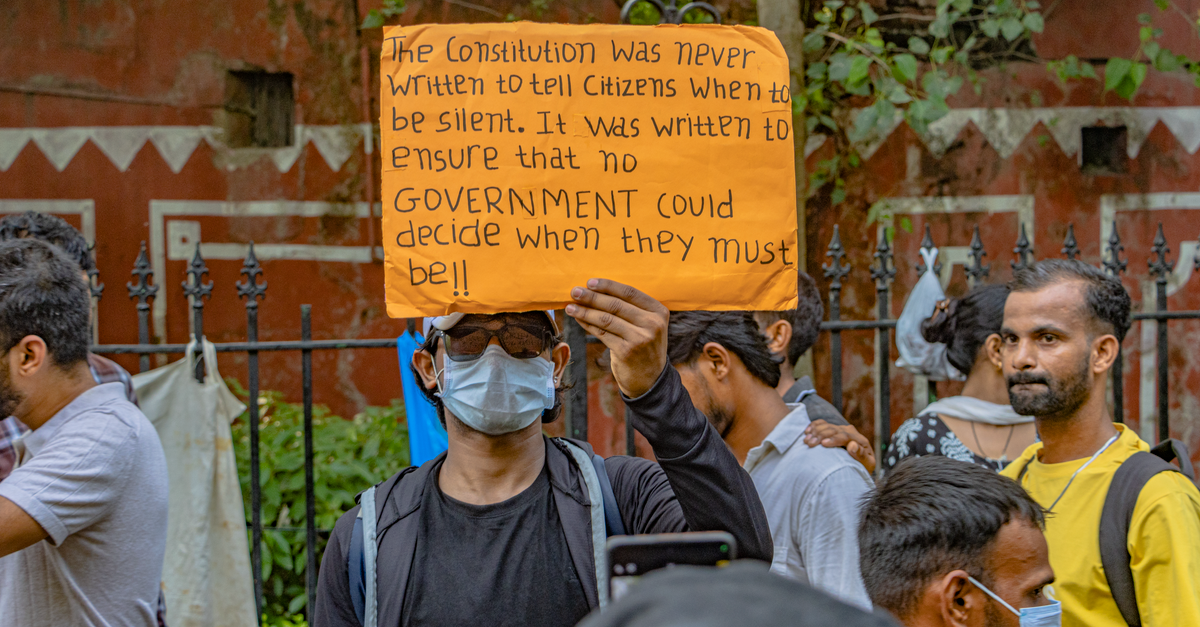
- Students in Ranchi continue protests over alleged irregularities in state exams.
- Hunger-striking students demand a CBI investigation and the resignation of CM Hemant Soren.
- Authorities have not yet confirmed the specifics of the alleged irregularities.
Protests in Jharkhand over alleged irregularities in state examinations have intensified, with students in Ranchi now on hunger strike. The demonstrators are pressing for a Central Bureau of Investigation (CBI) probe into the matter, and some have gone further, demanding the resignation of Chief Minister Hemant Soren.
The agitation, which has been building over recent days, has drawn comparisons to similar protests at Delhi's Jantar Mantar. However, observers point out that the Jharkhand movement has its own distinct character, rooted in local grievances and a deep-seated mistrust of the state's examination processes.
Students' Demands and Hunger Strike
At the heart of the protests is a demand for transparency. Students allege that several state-level examinations were conducted with serious irregularities, compromising the merit-based selection process. The hunger strike, now in its later stages, has become a focal point of the movement, with protesters vowing to continue until their demands are met.
"We want the government to listen," said one student on hunger strike, speaking to reporters. The students have been unequivocal in their call for a CBI investigation, arguing that a state-level inquiry would lack the necessary independence and credibility.
Demand for CM's Resignation
The demand for Chief Minister Hemant Soren's resignation has added a political edge to the protests. Some student groups have declared Soren "unfit to hold office" over the alleged irregularities. This has raised the stakes for the state government, which has so far responded cautiously.
Officials have not yet confirmed the specifics of the alleged irregularities, and there has been no formal statement from the Chief Minister's office regarding the resignation demand. The lack of a clear response has only fueled the protesters' resolve.
Context and Comparisons
The Jharkhand protests have been compared to the agitation at Delhi's Jantar Mantar, a common site for demonstrations in the national capital. However, the issues at play in Jharkhand are distinct, involving state-specific examination processes and local administrative accountability.
Analysts note that the protests reflect a broader trend of student activism in India, where young people are increasingly willing to take to the streets over governance issues. The Jharkhand movement, however, is unique in its explicit demand for a central agency probe and the resignation of a sitting chief minister.
What's Next?
The coming days are likely to be critical. With students continuing their hunger strike, pressure is mounting on the state government to respond. Whether the administration will agree to a CBI probe or offer an alternative mechanism to address the students' concerns remains to be seen.
The situation in Ranchi is fluid, and observers will be watching closely to see if the protests expand or if a resolution emerges. For now, the students remain firm, and the government's next move could determine the course of the agitation.