Ambubachi Mela 2026: Dates, rituals and significance of Kamakhya Temple festival
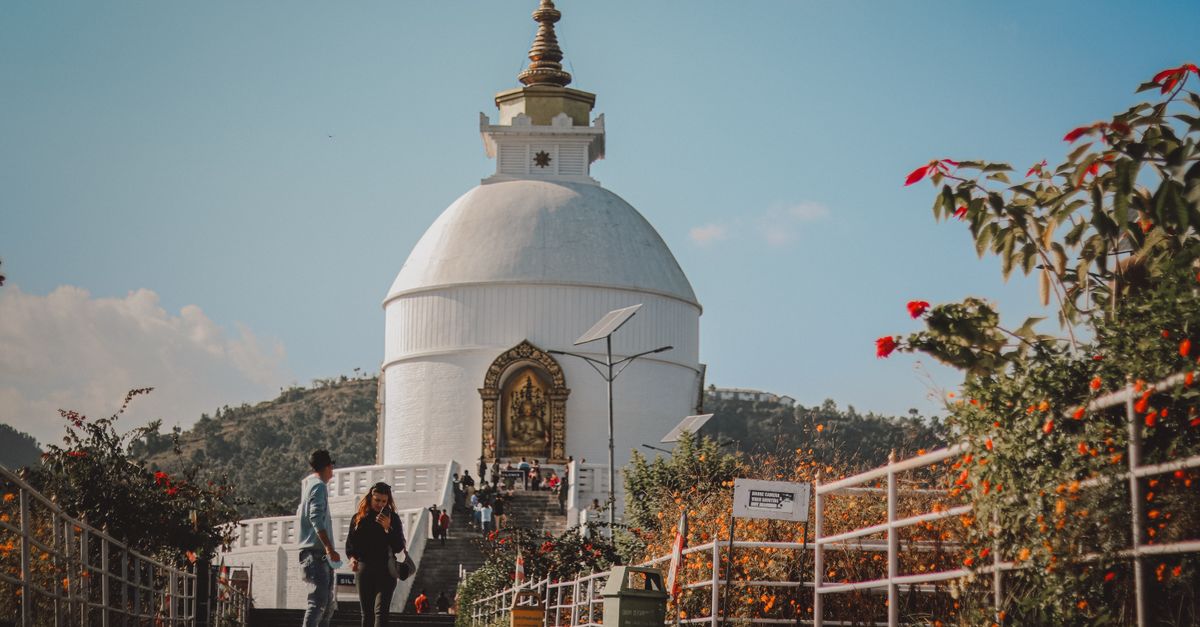
- Ambubachi Mela is held annually at Kamakhya Temple in Guwahati, Assam.
- The festival marks the annual menstruation of Goddess Kamakhya and the temple remains closed for three days.
- Devotees throng the temple for darshan after the temple reopens on the fourth day.
The Ambubachi Mela, one of the most significant religious gatherings in northeastern India, is set to draw lakhs of devotees to the Kamakhya Temple in Guwahati, Assam. The annual festival, dedicated to Goddess Kamakhya, holds deep spiritual importance for followers of Shakti worship.
When is Ambubachi Mela 2026?
According to the Hindu calendar, the Ambubachi Mela falls during the month of Ashadha, which typically corresponds to late June in the Gregorian calendar. In 2026, the festival is expected to commence around the third week of June, though the exact dates are determined by the panchang, the Hindu almanac. Devotees and pilgrims from across India, as well as from Nepal and Bangladesh, begin arriving days in advance to secure a spot at the temple premises.
The temple authorities and the Assam government usually release a detailed schedule closer to the event, including the precise timings for the closing and reopening of the temple sanctum.
Rituals and the three-day closure
The core ritual of the Ambubachi Mela revolves around the belief that Goddess Kamakhya menstruates during this period. The temple's inner sanctum is closed for three days and four nights, and the doors are reopened on the fourth day with elaborate ceremonies. During the closure, no regular worship is offered, and the deity is believed to be in a state of rest.
On the fourth day, the temple priests perform a special puja and bathe the idol with holy water. Devotees then queue up for darshan, seeking blessings from the goddess. The distribution of prasad, including the famous Angodak and Angabastra — cloth soaked in the holy water and vermilion from the sanctum — is a major highlight of the day. These items are considered highly auspicious and are carried back by pilgrims to their homes.
Significance of the festival
The Kamakhya Temple, situated atop the Nilachal Hill, is one of the 51 Shakti Peethas, where the yoni (female reproductive organ) of Goddess Sati is believed to have fallen. The Ambubachi Mela celebrates the goddess's creative and nurturing power, symbolising fertility and the cycle of life. For tantric practitioners and Shakti devotees, this period is considered highly potent for spiritual practices and meditation.
The festival also carries a message of breaking taboos around menstruation, as it openly venerates a natural biological process. This aspect has drawn attention from scholars and social commentators, who note the festival's unique position in Indian religious tradition.
Massive arrangements and crowd management
Given the scale of the congregation, the Assam government and the Kamakhya Temple Management Committee make extensive arrangements each year. Temporary shelters, food stalls, medical camps, and sanitation facilities are set up across the temple complex. Special trains and buses are often operated to handle the influx of pilgrims. In recent years, the administration has also focused on crowd control measures, including designated entry and exit routes and CCTV surveillance.
Authorities have not yet confirmed the full security plan for 2026, but officials have indicated that a detailed blueprint will be announced closer to the festival dates. Pilgrims are advised to follow official announcements and avoid relying on unverified information.
What to watch
With the festival still a few days away, all eyes are on the official announcement of the exact dates and the arrangements for the reopening ceremony. The state government is expected to release a comprehensive guide for devotees, including travel advisories and accommodation options. For those planning to attend, keeping abreast of official updates will be key to a smooth and fulfilling experience.