Chennai’s Pelathope to host ‘namma theru our design’ to preserve cultural heritage amid urban development
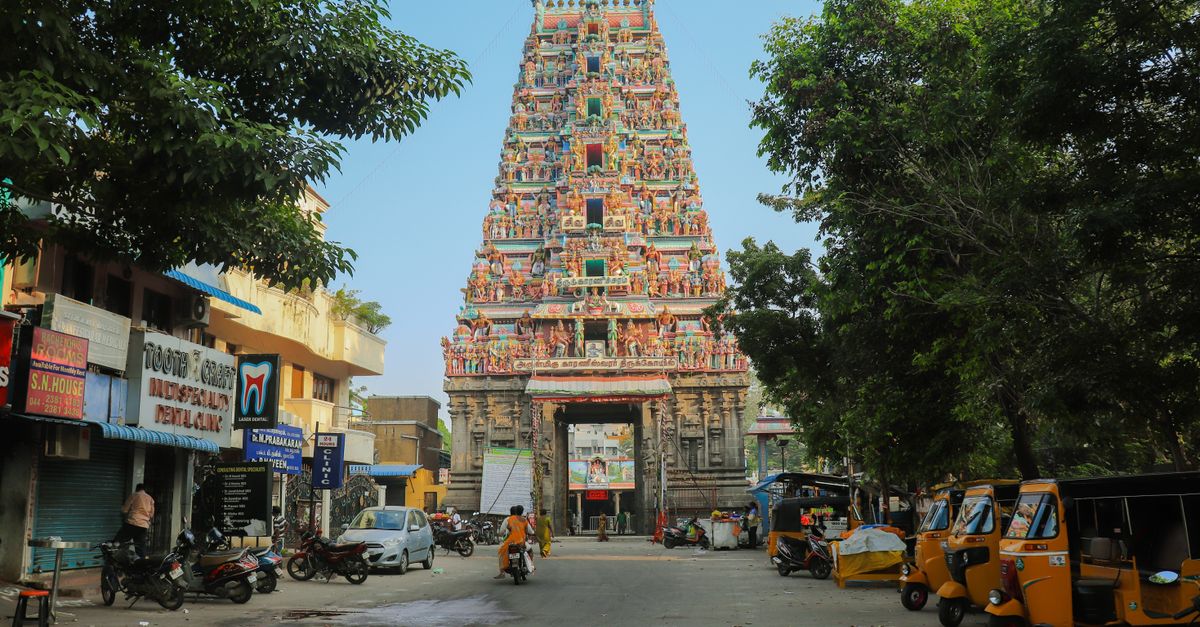
- Pelathope, a heritage-rich neighbourhood in Chennai, will host the ‘namma theru our design’ initiative.
- The programme aims to balance cultural preservation with urban development pressures.
- Local residents and urban planners are expected to collaborate under the initiative.
Chennai’s Pelathope, a neighbourhood known for its deep-rooted cultural identity, is set to host ‘namma theru our design’, an initiative that seeks to preserve the area’s heritage while accommodating urban development. The programme, announced by civic authorities, comes at a time when many traditional pockets of the city are being reshaped by infrastructure projects and real estate pressure.
A unique blend of tradition and modernity
Pelathope, located in the heart of Chennai, has long been a hub of artisanal activity and community life. Its narrow streets, old homes, and vibrant local markets tell the story of a bygone era. However, rapid urbanisation has threatened to erase these markers of identity. The ‘namma theru our design’ initiative aims to give residents a say in how their neighbourhood evolves.
According to officials, the project will involve local residents, urban designers, and heritage experts. The goal is to create a framework that respects the area’s historical character while allowing for necessary upgrades to infrastructure and housing. This participatory approach is seen as a model for other heritage zones in the city.
Community-led planning at the core
At the heart of the initiative is the idea that residents know their streets best. ‘Namma theru’ translates to ‘our street’, and the programme encourages locals to propose designs that reflect their daily lives and cultural practices. This could include everything from preserving traditional facades to creating public spaces that host community events.
Urban planners have noted that such participatory models are rare in Indian cities, where development often happens top-down. Pelathope’s experiment could set a precedent for how heritage and modernity can coexist. The initiative is expected to include workshops, street-level surveys, and design charrettes over the coming months.
Balancing heritage with development pressures
Pelathope is not just a cultural asset; it is also a living, breathing neighbourhood with real needs. Residents face challenges like crumbling drainage, narrow roads, and inadequate public amenities. The initiative must therefore address these practical concerns while safeguarding heritage.
Officials have not yet confirmed the specific projects that will be taken up under the initiative. However, they have indicated that the focus will be on low-impact, high-benefit interventions. For example, restoring old buildings for community use or introducing pedestrian-friendly zones could be on the cards.
The broader context is also important. Chennai has seen a surge in real estate development, with many heritage structures making way for high-rises. In this scenario, Pelathope’s initiative is a timely reminder that development need not come at the cost of cultural identity.
What lies ahead
The success of ‘namma theru our design’ will depend on sustained engagement from both residents and authorities. While the initial response has been positive, challenges remain. Funding, bureaucratic hurdles, and differing priorities among stakeholders could slow progress.
For now, the initiative stands as a symbol of hope for heritage conservation in Chennai. If Pelathope can strike the right balance, it may inspire similar efforts in other parts of the city and beyond.
As the project moves from planning to execution, all eyes will be on how this historic neighbourhood navigates the fine line between preserving its past and embracing its future.