MEA: FCRA Bill Internal Matter, US Also Regulates Foreign Funds
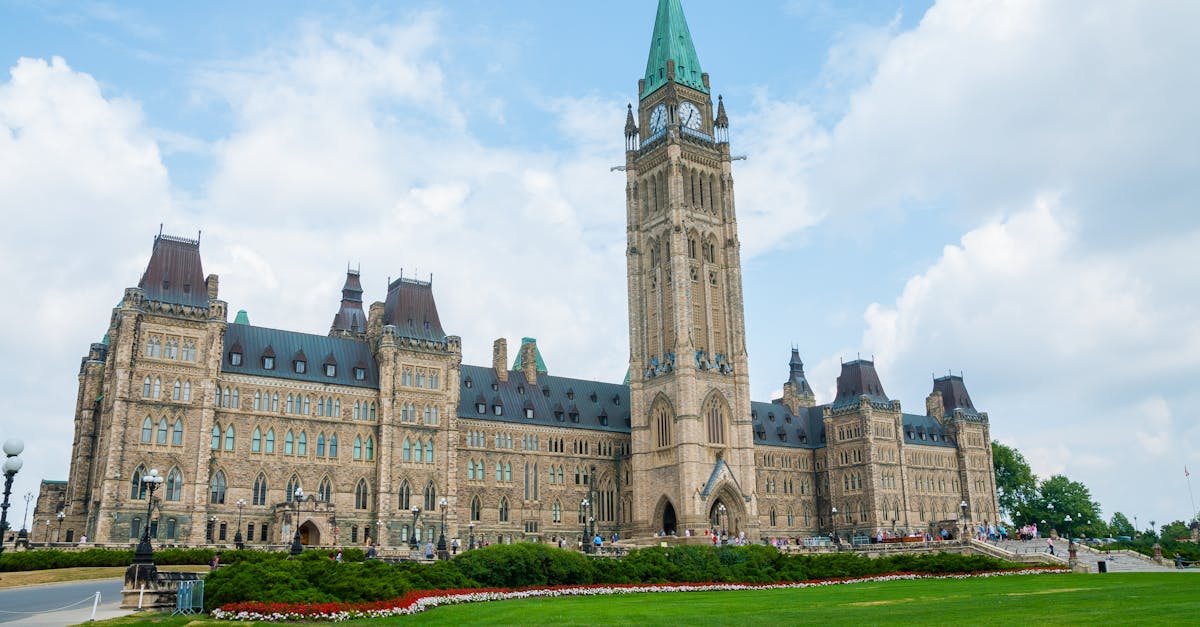
- MEA says FCRA Bill is an internal matter, rejects foreign criticism
- India points out that the US also regulates foreign fund flows
- Parliament debate on FCRA Bill scheduled for August 12 after Amit Shah-Mizoram CM meet
New Delhi: The Ministry of External Affairs (MEA) on Friday firmly rejected international criticism of the proposed Foreign Contribution (Regulation) Amendment Bill, 2026, stating that the legislation is purely an internal matter. The response came after a US lawmaker raised concerns over the Bill's potential impact on civil society organisations in India.
Addressing a weekly press briefing, an MEA spokesperson said that every sovereign nation has the right to frame laws governing foreign contributions within its territory. The official also drew attention to the United States' own stringent regulations on foreign funding, including the Foreign Agents Registration Act (FARA), to counter the criticism.
India's Stance: Sovereignty and Reciprocity
The MEA's remarks underline a consistent position that foreign governments have no locus standi in India's legislative processes. The spokesperson emphasised that the FCRA framework has been in existence for decades and the proposed amendments are aimed at ensuring transparency and accountability in the receipt and utilisation of foreign funds.
Officials pointed out that Washington's regulatory regime for foreign influence is far more expansive, requiring registration and disclosure for entities acting on behalf of foreign principals. This comparison was invoked to highlight that India's approach is neither unique nor unprecedented.
US Lawmaker's Criticism Draws Sharp Rebuttal
The trigger for the MEA's statement was a recent letter from a US Congressman to Secretary of State Antony Blinken, urging the Biden administration to raise concerns with New Delhi over the FCRA Bill. The lawmaker had claimed that the Bill could be used to curb dissent and silence NGOs critical of the government.
India's response was categorical: such observations are based on a misunderstanding of the Bill's provisions and India's democratic traditions. The MEA asserted that India's civil society remains vibrant and that the government is committed to protecting legitimate rights while ensuring that foreign funds are not misused for activities detrimental to national interest.
Parliamentary Calendar: Debate on August 12
Meanwhile, the political landscape around the Bill is heating up. The debate on the FCRA Bill is now scheduled for August 12 in Parliament, following a crucial meeting between Union Home Minister Amit Shah and Mizoram Chief Minister Lalduhoma. The meeting, held earlier this week, was significant as regional parties, particularly from the Northeast, have expressed reservations about the Bill's impact on church-funded and civil society organisations active in the region.
The government has assured that concerns raised by various stakeholders will be addressed during the debate. Sources indicate that the Bill may be referred to a parliamentary standing committee for further scrutiny, a move that could delay its passage but also build consensus.
Foreign Funding Data: A Contradictory Trend
Interestingly, data from the Ministry of Home Affairs shows that foreign funding to Indian NGOs has actually increased despite the tightening of FCRA rules over the past few years. This trend suggests that the regulatory changes have not deterred genuine philanthropic and developmental contributions, while simultaneously flagging entities that were in violation of compliance norms.
Experts note that the government's focus is on weeding out shell organisations and those with dubious funding sources. The FCRA Bill, once passed, is expected to introduce stricter reporting requirements and heavier penalties for non-compliance, aligning India's norms with global best practices.
Political Reactions and Next Steps
Opposition parties have announced plans to demand a detailed clause-by-clause discussion, with several MPs seeking to highlight the Bill's potential to stifle advocacy groups working on human rights, environment, and tribal issues. The ruling dispensation, however, maintains that the law will streamline foreign contributions and prevent their misuse for anti-national activities.
As the August 12 debate approaches, all eyes will be on how the government navigates the parliamentary arithmetic and whether it offers any concessions to assuage concerns from the Northeast and civil society groups. The MEA's robust defence suggests that the government is in no mood to yield to external pressure, but domestic political realities may compel a more nuanced approach.
The coming week is likely to see intensified consultations between the home ministry, MPs, and civil society representatives. The FCRA Bill's trajectory in Parliament will be a key indicator of the government's legislative priorities and its willingness to engage with dissent.