CAS chaos splits Sensex, Nifty: How long will this last?
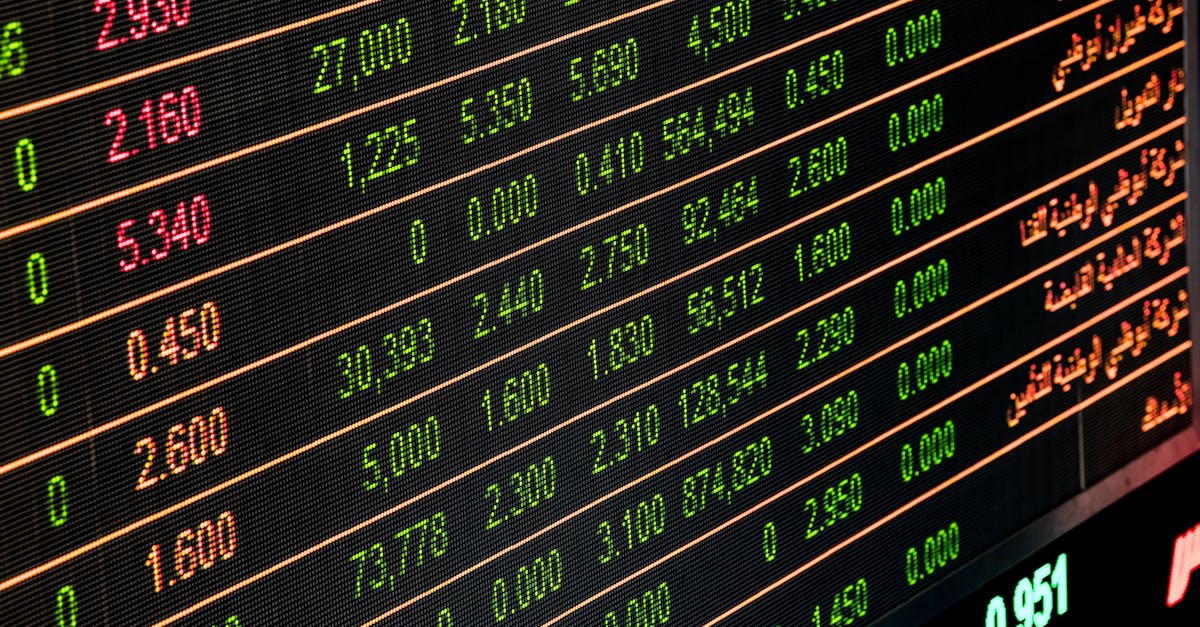
- Sensex and Nifty have diverged, with one index falling while the other holds steady.
- The split is linked to confusion around CAS (Client Authorization System) implementation.
- Market watchers say the divergence could persist until regulatory clarity emerges.
Mumbai: The stock market presented a strange picture on Friday as the Sensex and the Nifty moved in opposite directions, leaving traders scratching their heads. The divergence, triggered by what brokers are calling the 'CAS chaos', has split the market down the middle. While the Sensex fell sharply, the Nifty managed to stay afloat, a pattern that has not been seen in recent memory.
What is CAS and why is it causing chaos?
CAS, or the Client Authorization System, is a regulatory mechanism that requires brokers to obtain fresh authorization from clients for trading in the cash market. The system was introduced to streamline the process, but its rollout has been anything but smooth. Brokers across the country have reported glitches, delays, and confusion, leading to a freeze in trading activity for many retail investors.
The result is a market that is moving on two different tracks. The Sensex, which is heavily weighted towards large-cap banking and financial stocks, has borne the brunt of the sell-off. The Nifty, on the other hand, has been cushioned by gains in IT and pharma stocks, which have remained relatively insulated from the CAS-related disruptions.
How long can this divergence last?
Market analysts are divided on the duration of this split. Some believe it is a short-term phenomenon that will correct itself once the CAS system stabilizes. Others warn that if the glitches persist, the divergence could widen, creating arbitrage opportunities and confusing retail investors further.
"The market is not a monolith," said a senior analyst at a domestic brokerage, speaking on condition of anonymity. "When one index is dragged down by a handful of heavyweights and the other is supported by different sectors, you get this kind of split. It can last a few days or a few weeks, depending on how quickly the regulator steps in."
What should investors do?
For the average investor, the advice is to stay calm and avoid knee-jerk reactions. The CAS issue is operational, not fundamental. Companies' earnings have not changed overnight, and the broader economic picture remains intact. However, traders who rely on index movements for short-term bets should be cautious.
Brokers have also urged the regulator to issue a clear timeline for resolving the CAS glitches. Many have reported that the authorization process, which was supposed to take minutes, is taking hours, and in some cases, days. This has led to a backlog of pending orders, further adding to the confusion.
The road ahead
Regulatory clarity is the key. If the exchanges and the Securities and Exchange Board of India (SEBI) come out with a clear directive on CAS implementation, the market could quickly return to normal. Until then, the Sensex and Nifty may continue to tell different stories.
Investors should watch for any official communication from the exchanges regarding CAS. The next few trading sessions will be crucial in determining whether this divergence is a blip or a trend. As one market veteran put it, "The market hates uncertainty, and CAS has brought plenty of it."