Cryptocurrency Scams on the Rise: How to Spot and Avoid Them
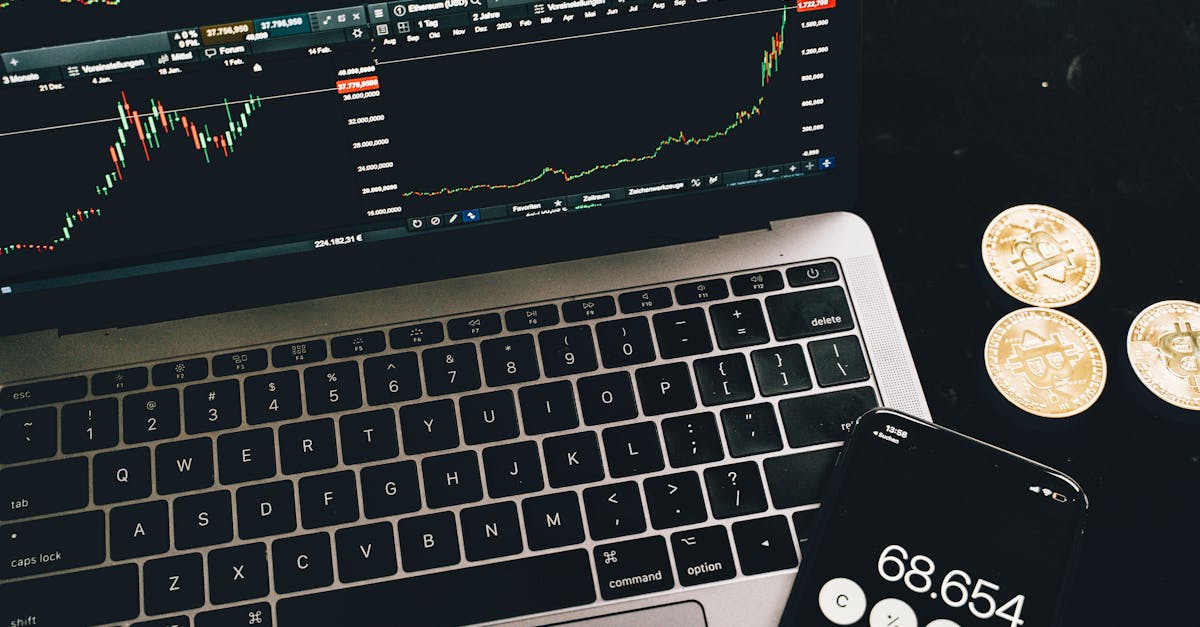
- Scammers often impersonate legitimate exchanges or celebrities to lure victims.
- Red flags include guaranteed returns and pressure to act quickly.
- Use only verified platforms and enable two-factor authentication.
The Growing Threat of Crypto Fraud
Cryptocurrency has opened new avenues for investment, but it has also become a fertile ground for scammers. As digital assets gain mainstream traction, fraudsters are devising increasingly sophisticated schemes to part investors from their money.
Reports from consumer protection groups indicate a sharp uptick in complaints involving fake trading platforms, phishing emails, and social media imposters. The anonymity of blockchain transactions makes it nearly impossible to recover stolen funds once they are transferred.
Common Tactics Used by Scammers
One prevalent method involves fraudsters posing as well-known exchanges or customer support agents. They may send links to lookalike websites that steal login credentials or trick users into downloading malicious wallet apps.
Another tactic is the “pump and dump” scheme, where scammers hype a obscure coin on social media, inflate its price, then sell off their holdings, leaving late investors with worthless tokens. Romance scams have also migrated to crypto, with perpetrators building trust on dating apps before pitching bogus investment opportunities.
Warning Signs to Watch For
Experts highlight several red flags. Be wary of anyone guaranteeing high returns with little or no risk—legitimate investments never promise fixed profits. Urgency is another tell; scammers create a false sense of scarcity to rush you into a decision.
Unsolicited messages from “investment managers” or “celebrity endorsements” should raise suspicion. Always verify the official website and check if the platform is registered with financial regulators. If a request asks for payment in crypto, it is almost certainly a scam.
Protecting Yourself
Start by using only well-established exchanges and wallets. Enable two-factor authentication on all accounts, and never share recovery phrases or private keys with anyone. Keep your software updated to guard against malware.
For those new to crypto, it is wise to start with small amounts and learn the basics before committing significant capital. Consider using a hardware wallet for large holdings, as it stores assets offline, away from hackers.
If you suspect you have been targeted, report the incident to your local cybercrime unit and the platform involved. While recovery is rare, reporting helps authorities track patterns and warn others.
What to Watch Next
Regulators are ramping up oversight of the crypto space, but enforcement remains a challenge across borders. As scams evolve, so must investor awareness—stay informed through trusted sources and remain skeptical of too-good-to-be-true offers.