JPSC paper leak protest: Second round of talks fails, stir to continue
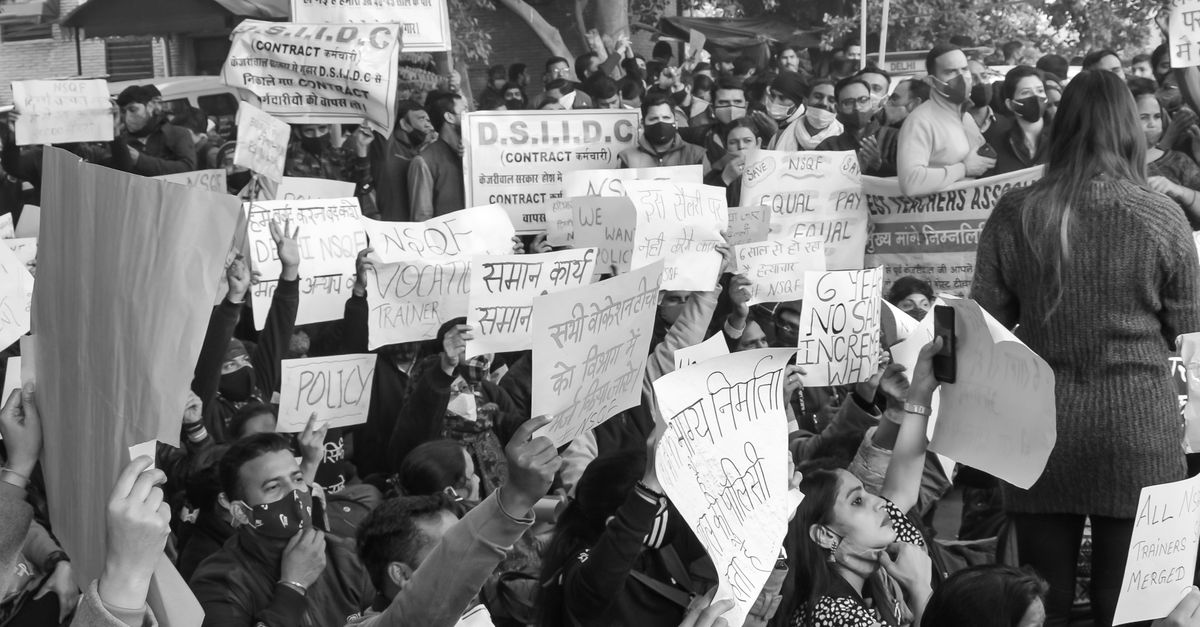
- Second round of talks between Jharkhand government and protesting students fails to reach consensus.
- Protest over alleged JPSC paper leaks will continue.
- Student leader's health worsens after 15-day hunger strike.
- Government plans fresh talks to resolve exam irregularities.
Ranchi: The standoff between the Jharkhand government and students protesting alleged paper leaks in the JPSC recruitment exams entered a critical phase on Saturday, with a second round of talks ending without any consensus. The deadlock means the agitation, which has now stretched for over two weeks, will continue despite mounting concerns over the health of fasting students.
Talks fail to break deadlock
The second round of negotiations, held on Friday, saw both sides stick to their positions. Students have been demanding a high-level probe into the alleged leaks and cancellation of the affected exams. The government, while agreeing to look into the matter, has reportedly not conceded to the key demands, leaving little room for a breakthrough.
Officials familiar with the talks said the government proposed a committee to investigate the irregularities, but the students insisted on a time-bound action and a transparent process. With no agreement possible, the protesting students announced that the agitation would remain in place.
Student leader's health deteriorates
The prolonged hunger strike by student leaders has added urgency to the crisis. One prominent student leader, who has been fasting for 15 days, has seen his health worsen considerably. In a medical update, doctors attending to him were quoted as saying that his body's organs were unable to cope with the strain. The development has triggered fresh appeals from various quarters to end the fast.
His condition has also intensified the emotional pitch of the protests, with supporters gathering at the protest site in Ranchi to express solidarity. Medical teams are monitoring the fasting students closely, but there has been no word on whether the leader will be hospitalised.
Why the protest matters
The agitation has resonated beyond the immediate issue of exam leaks. For the opposition in Jharkhand, the protest has become a rallying point to question the state government's handling of recruitment and governance. Political analysts suggest that the sustained nature of the stir reflects deeper discontent among the youth over unemployment and perceived lack of transparency in official processes.
The JPSC exams, which are key to state government jobs, have been under a cloud since allegations of paper leaks surfaced. Students argue that the integrity of the recruitment process is at stake, and any compromise would set a dangerous precedent.
Government's next move
Amid the impasse, the Jharkhand government has indicated that it is willing to hold fresh talks with the students. Officials said the administration is keen to resolve the matter quickly, given the health risks posed by the ongoing hunger strike. However, no date has been announced for the next round of discussions.
The students, for their part, have said they are open to dialogue but will not dilute their core demands. The coming days are likely to see increased pressure on both sides to find a middle ground, as the human cost of the protest becomes harder to ignore.
What to watch
The immediate focus will be on the health of the fasting students and whether the government makes a concrete offer that can bring the protesters to the table. If the deadlock persists, the protest could widen, drawing in more student bodies and political groups from across the state.