Spices for wellness: How an Indian diet supports healthy ageing
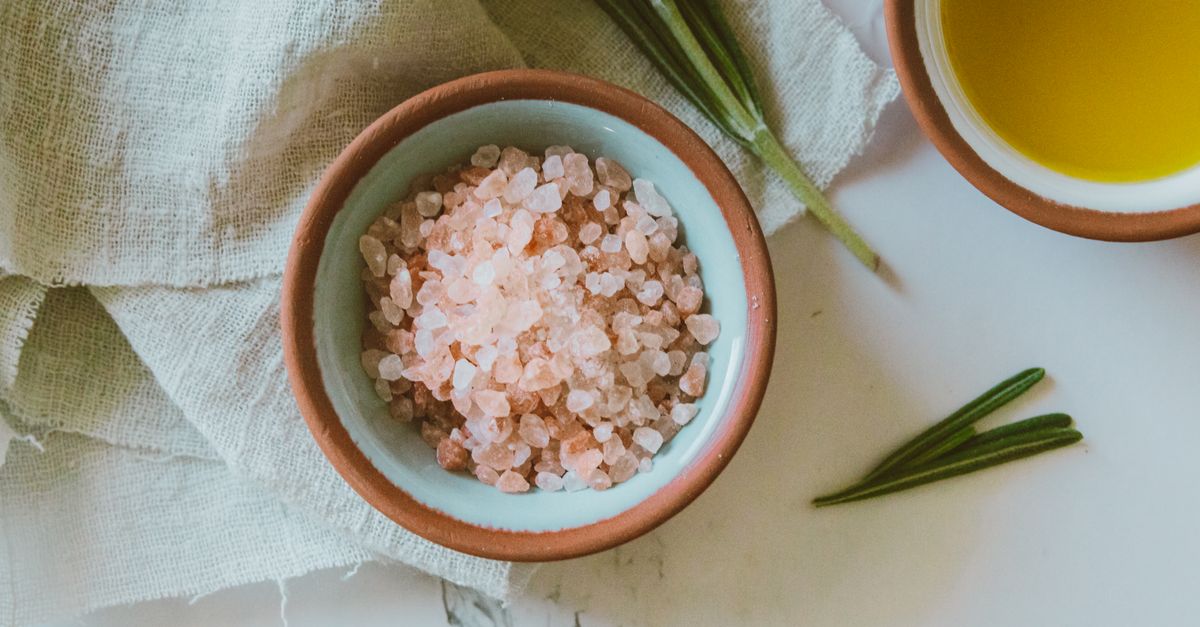
- Indian spices like turmeric and ginger are linked to anti-inflammatory benefits
- Traditional diets emphasise whole foods and plant-based ingredients
- Experts suggest mindful inclusion of spices for long-term wellness
The connection between food and longevity has long fascinated nutrition scientists, and increasingly, the Indian kitchen is emerging as a focal point of this inquiry. The Times of India's recent report on spices for wellness highlights how everyday ingredients in Indian households might play a role in supporting healthy ageing.
The power of everyday spices
Turmeric, cumin, coriander and ginger are not just flavour enhancers. They contain bioactive compounds that have been studied for their potential to reduce inflammation and oxidative stress — two factors closely tied to age-related decline.
Curcumin, the active compound in turmeric, has been the subject of numerous studies for its anti-inflammatory properties. Similarly, ginger contains gingerol, which may help with joint discomfort and digestive health, common concerns as people grow older.
What makes the Indian diet different
Beyond individual spices, the structure of a traditional Indian meal offers its own benefits. Meals typically combine grains, lentils, vegetables and fermented foods, creating a diverse microbiome-friendly plate.
This pattern naturally limits processed foods and refined sugars, both of which are associated with accelerated ageing. The emphasis on plant-based protein from dal and legumes also supports muscle maintenance, which is crucial in later decades.
How to incorporate these benefits
Nutritionists suggest that rather than relying on supplements, people should use spices generously in daily cooking. A pinch of black pepper alongside turmeric improves curcumin absorption, while adding fresh ginger to tea or vegetables boosts antioxidant intake.
Traditional preparations like khichdi, rasam and lentil soups are easy to digest and packed with anti-inflammatory ingredients. These dishes are also economical, making them accessible across income groups.
Experts caution that spices alone cannot reverse the effects of poor lifestyle choices. Regular physical activity, adequate sleep and stress management remain foundational to healthy ageing. Spices work best as part of an overall balanced routine.
The cultural context
India's ageing population is growing rapidly, and with it, interest in preventive health approaches. The wisdom embedded in regional cuisines — from Kerala's fish curries to Punjab's sarson ka saag — offers a template for eating well without abandoning cultural roots.
Researchers note that the anti-inflammatory potential of these diets is most effective when consumed consistently over years, not as an occasional intervention. This aligns with the traditional Indian practice of eating seasonally and locally.
While clinical evidence continues to evolve, the practical benefits are already visible in many communities where elders maintain active lives well into their 70s and 80s, often attributing their vitality to home-cooked meals.
What remains to be seen is how modern urban lifestyles, with their reliance on convenience foods, will adapt these traditional principles. Food brands and policymakers are watching closely, as the intersection of ageing and nutrition becomes a growing public health priority.
As research on the gut-ageing axis deepens, expect more attention on how Indian spices influence cellular health. For now, the simplest advice may also be the most effective: cook with spices, eat whole foods, and let the kitchen be your first line of defence.