US Senate Passes Bill to Penalise Nations Buying Russian Oil
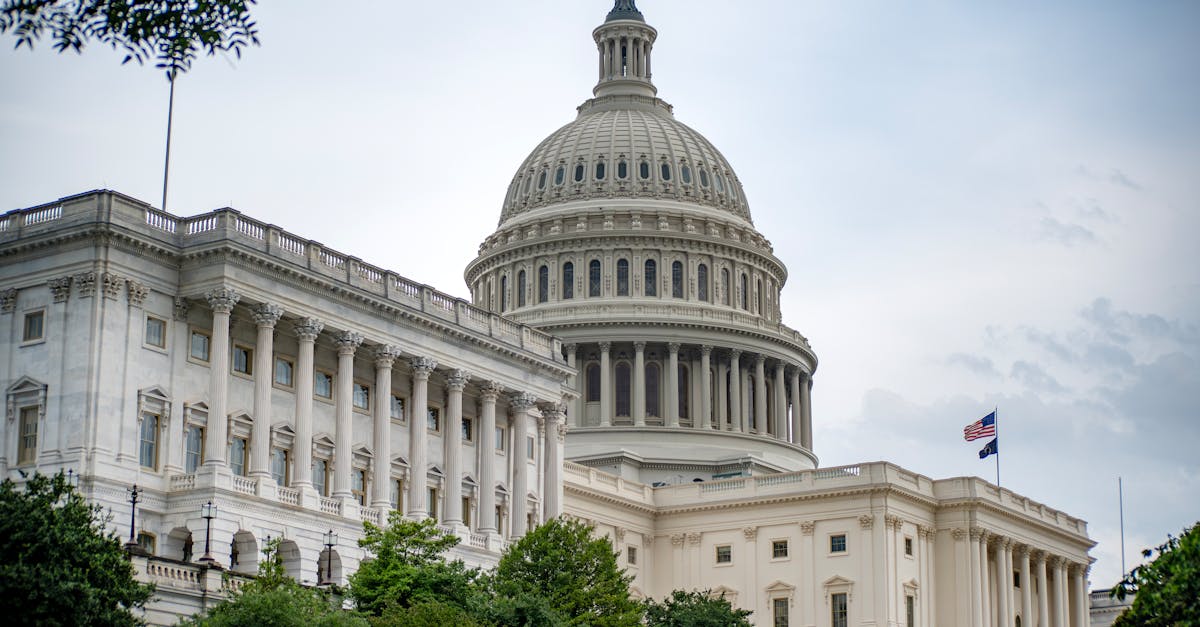
- The bill seeks 100% tariffs on countries, including India, that buy Russian energy.
- It passed the US Senate amid the ongoing Ukraine war.
- The legislation now moves to the House of Representatives for consideration.
Washington's New Stance on Russian Energy
The United States Senate has passed a sweeping sanctions bill aimed at penalising countries that continue to purchase Russian oil and gas. The legislation, cleared on Thursday, seeks to impose 100% tariffs on nations such as India, China, and three others that have maintained energy trade with Moscow despite the ongoing war in Ukraine.
The move marks a significant escalation in Washington's efforts to isolate Russia economically. It directly targets key buyers of Russian crude, a list that includes India, which has emerged as a major purchaser since the conflict began.
What the Bill Proposes
The bill, as passed by the Senate, introduces a mechanism to punish countries deemed to be financially supporting Russia's war effort. The proposed 100% tariff is designed to make Russian energy imports economically unviable for these nations, pressuring them to cut ties with Moscow.
Lawmakers backing the legislation argue it is necessary to close loopholes that have allowed Russia to continue earning billions from energy exports. The bill's passage comes after months of deliberations and reflects growing bipartisan frustration in Washington over the continued flow of Russian oil to global markets.
Impact on India and Other Nations
India, which has significantly increased its imports of Russian crude since the war began, is among the countries that would face the steep tariffs. The move could strain ties between New Delhi and Washington, even as the two nations deepen defence and diplomatic cooperation.
China, another major buyer of Russian energy, is also in the crosshairs. The bill's language suggests a broader strategy to counter Moscow's influence, but it also risks alienating key US partners in Asia and beyond. Analysts note that the actual impact on trade flows may be limited if exemptions or waivers are introduced during subsequent negotiations.
Next Steps in the Legislative Process
The bill now moves to the House of Representatives, where it faces an uncertain path. While there is significant support for tougher Russia sanctions, some lawmakers have expressed concerns about the potential economic fallout for allied nations. Amendments or delays are possible before the bill can reach the President's desk.
Officials have not yet confirmed whether the White House supports the legislation in its current form. The administration has previously sought to balance pressure on Russia with the need to maintain stable global energy prices.
What to Watch
The coming weeks will be crucial as the House takes up the bill. Countries named in the legislation are likely to respond diplomatically, and India's official reaction will be closely watched. The final shape of the law — and whether it includes waivers — will determine its real-world impact on global energy trade.