Ladakhi Flavours Take Centre Stage at Hindu Lit For Life Unplugged
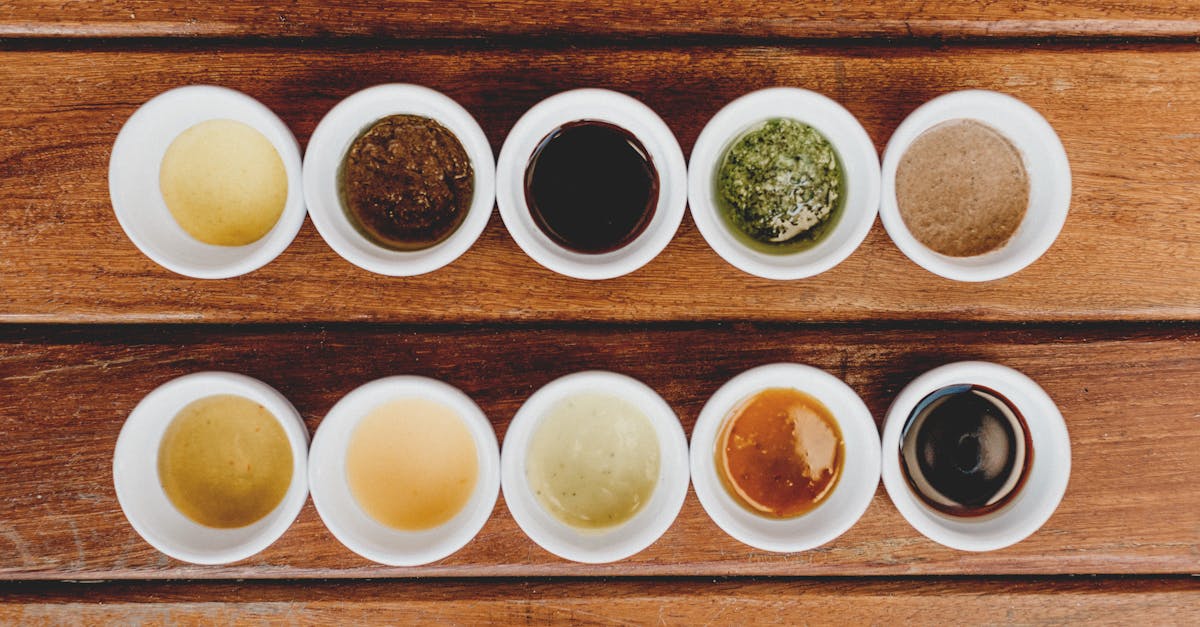
- Chef Nilza Wangmo presented Ladakhi dishes at The Hindu Lit For Life Unplugged in Chennai.
- The event highlighted the unique culinary heritage of Ladakh to a Chennai audience.
- Wangmo's session was part of a series blending literature, culture, and cuisine.
Chennai's food lovers got a taste of the Himalayas on Sunday as Chef Nilza Wangmo brought Ladakhi cuisine to The Hindu Lit For Life Unplugged at Zhouyu. The event, part of the city's vibrant literary and cultural calendar, saw the chef transform a platform meant for words into a stage for flavour.
Wangmo, known for her deep-rooted connection to Ladakhi cooking traditions, walked the audience through dishes that are as much about survival as they are about taste. High-altitude ingredients, simple techniques, and bold flavours — her session was a window into a cuisine that remains largely unexplored in southern India.
A Culinary Journey from the Mountains to the Coast
The chef's presentation was not just a cooking demonstration. It was a narrative of Ladakh's food culture, shaped by harsh weather and scarce resources. From barley-based staples to hearty stews, each dish carried the story of a region where food is tied to community and season.
At Zhouyu, an intimate venue known for hosting meaningful conversations, Wangmo's spread offered Chennai's audience a rare sensory experience. Attendees sampled preparations that are typically served in Ladakhi homes during festivals and cold winter months, bringing a slice of the trans-Himalayan plateau to the Bay of Bengal.
Bridging Cultures Through Food
The session underscored how food can act as a bridge between distant cultures. For many in the audience, it was a first introduction to Ladakhi cuisine, which differs sharply from the more familiar North Indian fare. The chef's emphasis on locally sourced, seasonal ingredients resonated with contemporary culinary trends, even as it stayed rooted in tradition.
Wangmo's participation at The Hindu Lit For Life Unplugged also highlighted the growing interest in regional Indian cuisines. As chefs and food writers increasingly look beyond mainstream dishes, Ladakhi food is gaining recognition for its distinct identity and nutritional value.
An Event That Blends Ideas and Taste
The Hindu Lit For Life Unplugged, known for its eclectic programming, has often brought together literature, music, and now cuisine. By hosting a chef like Wangmo, the organisers have expanded the event's scope, offering audiences a multi-sensory engagement with culture.
Chennai, a city with its own deep food traditions, proved to be an enthusiastic audience. Questions flowed after the session, with many curious about the availability of Ladakhi ingredients in southern cities and the possibility of recreating these dishes at home. Wangmo's responses were practical, suggesting substitutes and adaptations without diluting the essence of the cuisine.
Organisers have not yet announced the full schedule for upcoming editions, but the success of this session suggests that food will remain a key component of the series.
As Ladakhi food slowly finds its way into mainstream Indian culinary conversations, events like this serve as important platforms for chefs like Wangmo to share their craft. For Chennai, it was a reminder that India's culinary map is far more diverse than what typically appears on restaurant menus.
With more such sessions likely in the pipeline, audiences can expect further explorations of regional cuisines in the months ahead.