One Crypto to Bet On: Expert Picks a Single Coin for Portfolios
- Expert picks a single crypto for long-term holding
- Choice based on network maturity and real-world adoption
- Analyst warns against speculative altcoins
In a market flooded with thousands of digital tokens, one analyst has cut through the noise with a simple proposition: if you could own just one cryptocurrency, which should it be? The answer, according to a recent commentary, is not the latest meme coin or a flashy new project, but a familiar name that has weathered multiple market cycles.
The Case for a Single Pick
The reasoning is straightforward. Most crypto investors spread themselves too thin, chasing quick gains across a dozen assets. But the analyst argues that a focused approach—betting on one proven network—offers better risk-adjusted returns over a multi-year horizon.
The pick is Bitcoin, the original cryptocurrency. While it may lack the smart-contract capabilities of younger rivals, its track record and institutional acceptance make it the safest bet for most portfolios.
Why Bitcoin Over the Rest
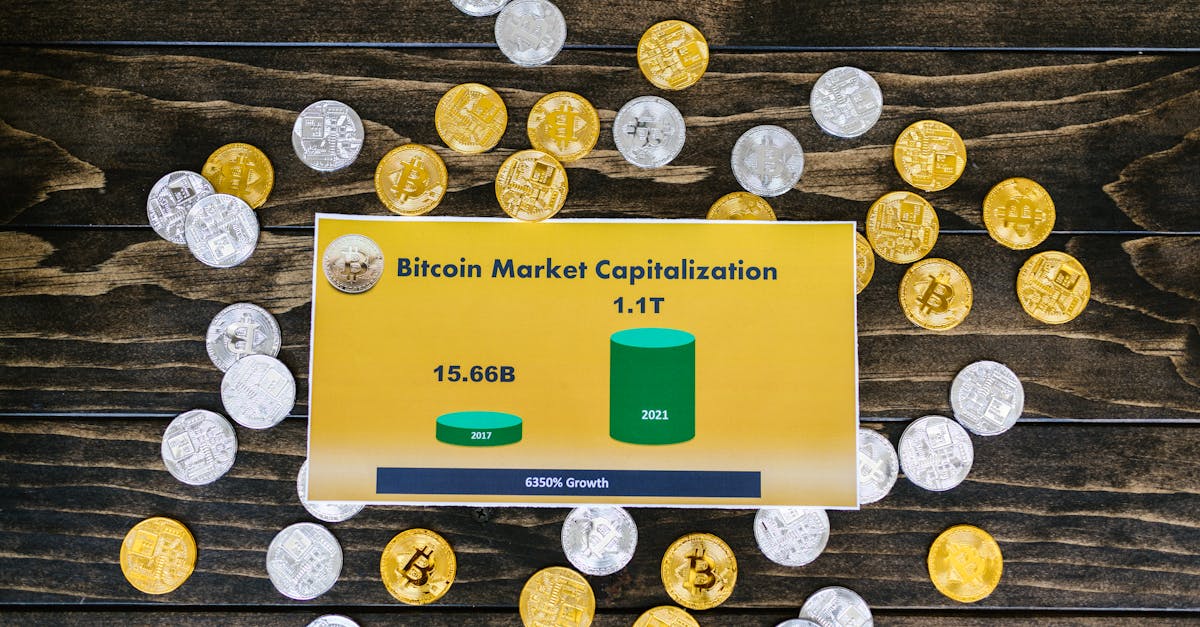
Bitcoin's dominance in market capitalisation remains unchallenged. It has survived regulatory crackdowns, exchange collapses, and extreme volatility, yet continues to attract mainstream investors. The analyst points to growing adoption by pension funds and corporate treasuries as evidence of its staying power.
Ethereum, the second-largest coin, offers more functionality but carries higher complexity and competition. Newer chains like Solana or Cardano may boast faster speeds, but their long-term viability is unproven. Bitcoin, by contrast, is the digital gold—a store of value that does not need to innovate to remain relevant.
Risks and Caveats
No investment is without risk, and the analyst is quick to flag Bitcoin's volatility. A 30% drawdown is not uncommon, and regulatory uncertainty in key markets like India and the US could weigh on prices. However, the argument is that Bitcoin's risk profile is better understood than that of smaller altcoins, which can go to zero.
Diversification, the analyst concedes, is still prudent for most people. But for those who want simplicity, Bitcoin offers a clear answer.
What This Means for Indian Investors
For Indian investors, the advice carries extra weight. With the government's tax regime on crypto—30% on gains and a 1% TDS—holding a single, stable asset reduces compliance headaches. Bitcoin's liquidity also makes it easier to exit when needed, unlike obscure tokens with thin order books.
The analyst's view aligns with a broader shift among financial advisors, who increasingly recommend a small crypto allocation—typically 1-5%—within a diversified portfolio. Bitcoin, they argue, should be the core of that allocation.
The Bottom Line
While the crypto market offers endless options, the case for Bitcoin rests on its simplicity and resilience. It is not the most exciting pick, but it may be the most rational one for long-term investors.
As the market evolves, watch for Bitcoin's response to regulatory developments and institutional inflows. If it maintains its dominance, the single-coin strategy could prove prescient.