Perseid meteor shower: How to watch the cosmic light show this week
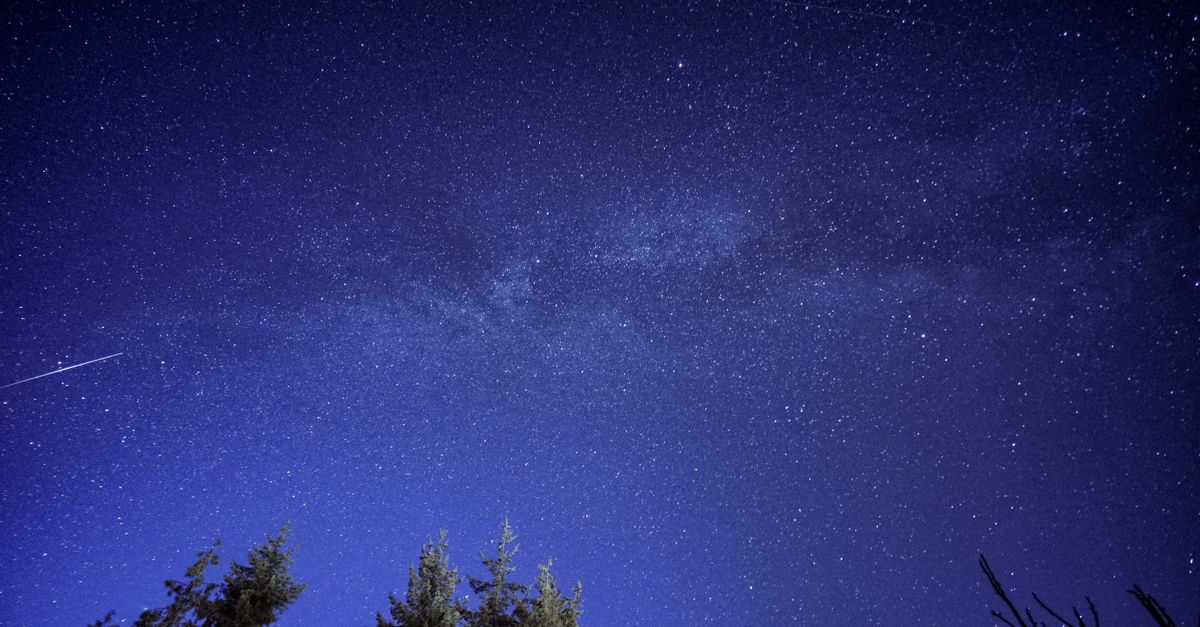
- Perseid meteor shower peaks around August 12, visible across the northern hemisphere.
- Best viewing is after midnight in dark skies, away from city lights.
- A partial solar eclipse will also occur next week, adding to celestial events.
A summer spectacle in the night sky
Stargazers across the northern hemisphere are in for a treat this week as the annual Perseid meteor shower reaches its peak. Known for its bright, fast-moving streaks, the shower has been called one of the most reliable celestial displays of the year. The show is expected to dazzle viewers from late night until dawn, with the highest activity predicted around August 12.
The Perseids occur when Earth passes through debris left behind by Comet Swift-Tuttle. As tiny particles, some as small as a grain of sand, hit the atmosphere at high speed, they burn up and create brilliant trails of light. The result is a natural fireworks show that has captivated humans for centuries.
When and where to look
For the best experience, astronomers recommend heading outside after midnight, when the sky is darkest and the radiant point—the constellation Perseus—is high above the horizon. The shower is visible to the naked eye, so no special equipment is needed. However, patience is key; allowing your eyes to adjust to the dark for at least 20 minutes can significantly improve what you see.
Light pollution is the biggest enemy of meteor watching. Urban dwellers should try to find a dark park or rural spot, away from streetlights and buildings. The Moon, which is currently in a waning phase, will not interfere much, making conditions nearly ideal. Clear skies are essential, so check the local forecast before planning a viewing session.
An extra treat: Partial solar eclipse
Adding to the excitement, a partial solar eclipse is also slated to occur next week, according to reports. This will give sky-watchers another reason to look up, though solar viewing requires proper eye protection—unlike meteors, which are safe to watch directly. The eclipse will be visible in parts of the northern hemisphere, though details on specific regions and timings are still emerging.
The coincidence of these two events has generated buzz among astronomy enthusiasts, who see it as a rare opportunity to observe multiple celestial phenomena in a short span. While meteor showers are common, pairing one with an eclipse is less frequent, making this a memorable week for anyone with an interest in the cosmos.
Tips for a rewarding experience
To make the most of the Perseid display, experts suggest lying flat on a reclining chair or blanket, looking towards the northeast, and taking in as much of the sky as possible. Meteors can appear anywhere, not just near the radiant point, so a wide field of vision is helpful. Avoid using phones or flashlights, as they can ruin your night vision.
For those unable to venture out, some observatories and science museums often host live streams of major meteor showers. While watching online lacks the magic of a real sky, it remains a practical alternative for city-bound stargazers. The shower typically continues at lower intensity for several days after the peak, so there is still a chance to catch a few streaks even if the main night is missed.
What to watch for
As the week unfolds, astronomers will be monitoring the shower's activity levels and the eclipse's path. Enthusiasts are advised to check local astronomy clubs or official weather services for updated visibility maps. With favourable conditions, this could be one of the most visually rewarding meteor showers in recent years.