Perseid meteor shower to light up northern skies this week
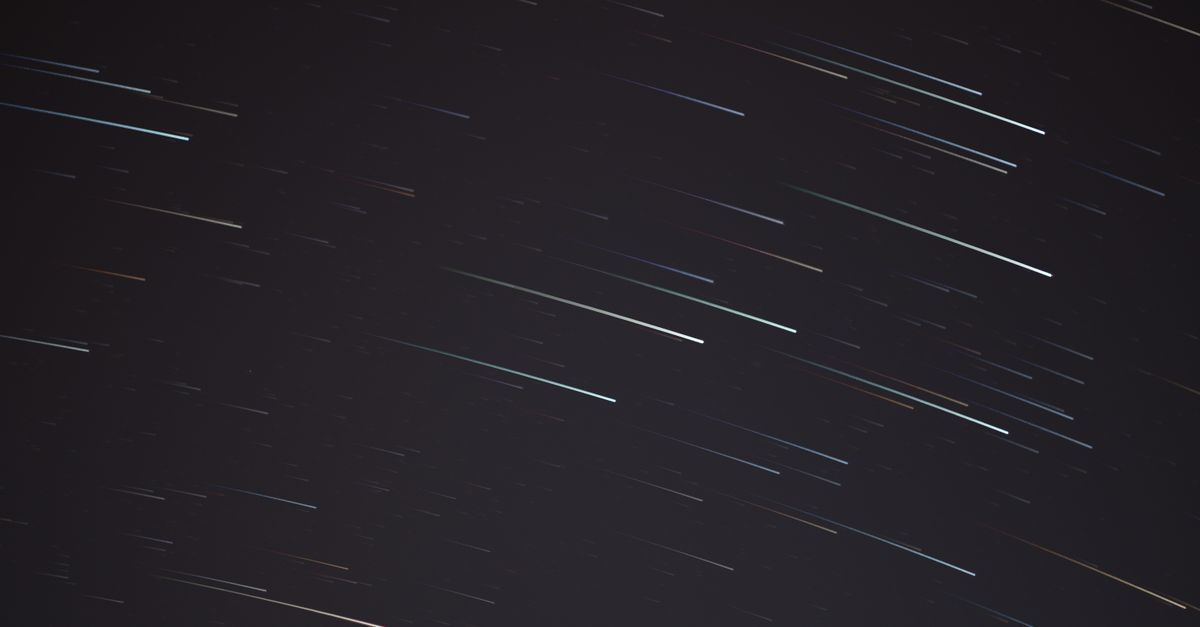
- Perseid meteor shower peaks this week across the northern hemisphere.
- A new moon will create darker skies, improving visibility of the meteors.
- The shower is active annually and is known for its bright, fast meteors.
- Best viewing is expected in the early morning hours away from city lights.
- A partial solar eclipse is also set to occur next week, adding to celestial events.
A Celestial Spectacle Unfolds
Stargazers across the northern hemisphere are in for a treat this week as the annual Perseid meteor shower reaches its peak. The shower, which has been active since mid-July, is expected to put on its most dazzling display in the coming nights. With a new moon on the horizon, skies will be darker than usual, making it an ideal time to catch a glimpse of the cosmic firework show.
The Perseids are known for their bright, fast-moving meteors, which can leave glowing trails across the night sky. The shower is caused by debris from the comet Swift-Tuttle, which Earth passes through every year. As the particles enter our atmosphere at high speeds, they burn up, creating streaks of light that can be seen with the naked eye.
Perfect Conditions for Viewing
This year's peak coincides with a new moon, which means the moon's light will not interfere with the visibility of the meteors. According to astronomy experts, this could make the Perseids more spectacular than in recent years. The best time to observe the shower is in the early morning hours, after midnight, when the sky is darkest and the meteors are most active.
For the best experience, viewers should find a location away from city lights and give their eyes time to adjust to the darkness. No special equipment is needed—just a clear sky and a bit of patience. The shower is expected to produce up to 100 meteors per hour at its peak, though rates can vary depending on location and conditions.
Where to Look
The Perseids appear to radiate from the constellation Perseus, which rises in the northeastern sky after midnight. However, meteors can be seen across the entire sky, so observers are advised to look in all directions. The shower is visible throughout the northern hemisphere, from India to the United States and across Europe.
In India, skywatchers in rural areas with minimal light pollution will have the best chance of seeing the display. City dwellers may still catch a few bright meteors, but the experience will be less dramatic than in darker locales. Local astronomy clubs and observatories are expected to host viewing events, offering guidance to newcomers.
A Busy Week for Skywatchers
Adding to the excitement, a partial solar eclipse is also set to occur next week. While not directly related to the Perseids, the two events together offer a rare opportunity for celestial enthusiasts. The eclipse will be visible from parts of the northern hemisphere, though the exact path and timing have yet to be confirmed by officials.
Astronomers remind the public to never look directly at the sun during an eclipse without proper eye protection. For the meteor shower, however, no such precautions are needed—just a comfortable chair and a warm blanket.
What to Expect
The Perseids are one of the most reliable meteor showers of the year, and this week's peak promises to be memorable. With clear skies and a new moon, conditions are nearly perfect. Those who miss the peak can still see stragglers for several nights afterward, though activity will gradually decline.
As the shower fades, attention will turn to the partial solar eclipse. Skywatchers are encouraged to mark their calendars and prepare for another celestial event. Whether you're a seasoned astronomer or a casual observer, this week offers a chance to connect with the cosmos.
So head outdoors, look up, and enjoy the show. The universe is putting on a display that has been happening for centuries—and it's free for all to see.