PoK elections postponed amid violence and resistance
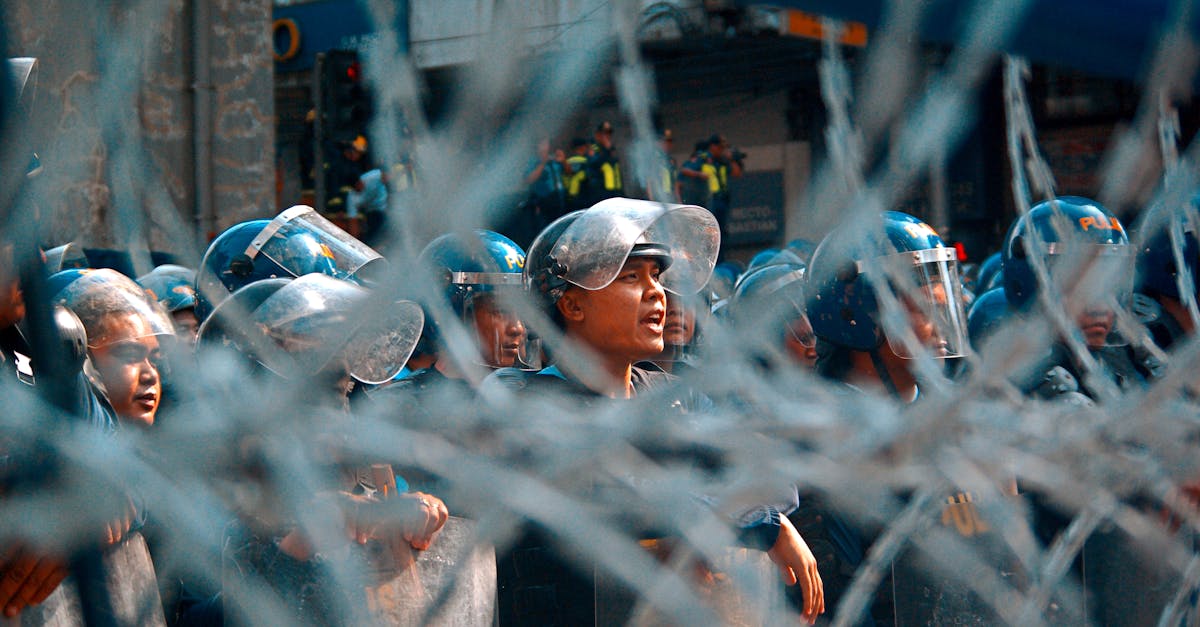
- Elections in Pakistan-occupied Kashmir postponed due to escalating violence
- Three distinct resistance fronts emerging against Pakistan's rule
- Situation remains tense as authorities struggle to maintain order
Election Delay Amid Unrest
Pakistan has postponed elections in Pakistan-occupied Kashmir (PoK) as violence escalates across the region. The decision comes after weeks of mounting tensions, with authorities citing security concerns as the primary reason for the delay.
Officials have not yet confirmed a new date for the polls. The postponement is seen as a significant setback for the administration, which had projected the elections as a step toward normalcy.
Three Fronts of Resistance
According to reports, three distinct fronts of resistance have emerged against Pakistan's rule in the region. These groups, though separate in their methods and objectives, share a common goal of challenging Islamabad's authority.
The first front is believed to consist of local political factions demanding greater autonomy. The second involves armed groups that have intensified attacks on security forces. The third comprises civil society movements advocating for self-determination through peaceful means.
Each front operates in different parts of the region, making it difficult for authorities to contain the unrest collectively.
Escalating Violence
The postponement follows a surge in violent incidents, including attacks on security convoys, clashes between protesters and police, and targeted killings. Local hospitals have reported an increase in casualties, though exact figures remain unverified.
Residents in several districts have staged shutdowns and demonstrations, disrupting daily life. Markets remain closed in many areas as people stay indoors fearing further violence.
Government Response
In response, the administration has deployed additional paramilitary forces to key towns and imposed restrictions on movement in sensitive zones. Internet services have been suspended in some areas to prevent coordination among protest groups.
Authorities have appealed for calm, urging residents to cooperate with security forces. However, resistance leaders have dismissed the appeal, calling instead for a complete withdrawal of Pakistani forces from the region.
The postponement has also drawn criticism from political opponents, who accuse the administration of using violence as an excuse to avoid facing the electorate.
Regional Implications
The situation in PoK has long been a flashpoint in India-Pakistan relations. New Delhi has consistently maintained that the region is an integral part of India and has called for peaceful resolution of the dispute.
Observers note that the rising resistance could complicate Pakistan's efforts to project stability in the region. The postponement also raises questions about the viability of future electoral exercises under the current security environment.
Meanwhile, international human rights groups have urged both sides to exercise restraint and protect civilian lives.
What to Watch
All eyes will be on whether Pakistan announces a revised election schedule and how the resistance fronts respond to any further crackdowns. The coming weeks are likely to determine the trajectory of this volatile standoff.