Religious Tourism Emerges as India's Next Big Travel Bet
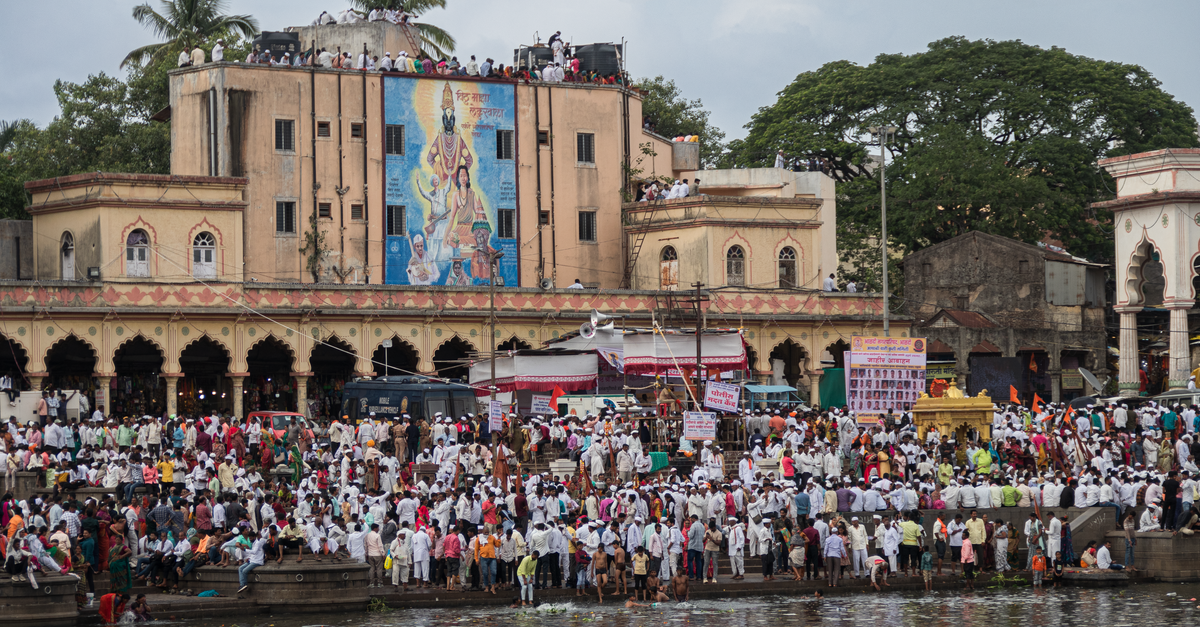
- Religious tourism is becoming a key driver for India's travel industry.
- New infrastructure and digital initiatives are enhancing pilgrimage experiences.
- The sector is attracting significant investment from both public and private players.
India's travel industry is placing a massive wager on faith. Religious tourism, long a quiet but steady stream of domestic movement, has now become the sector's most promising growth engine. From the revamped Kashi Vishwanath corridor in Varanasi to the newly inaugurated Ram temple in Ayodhya, the country is witnessing an unprecedented surge in pilgrimage travel.
Industry estimates suggest that religious travel accounts for a significant chunk of domestic tourism, and the numbers are only climbing. The government's push to develop pilgrimage sites, coupled with private investment in hospitality and transport, is turning what was once a largely informal economy into a structured, high-growth market.
The New Face of Pilgrimage
Gone are the days when a yatra meant cramped trains and basic dharamshalas. Today's pilgrims expect comfort, connectivity, and convenience. Hotels near major temples are reporting near-full occupancy through the year, and budget airlines are adding routes to tier-2 and tier-3 cities that house revered shrines.
State governments are competing to attract devotees. Uttar Pradesh, Gujarat, and Maharashtra have all announced ambitious plans to upgrade infrastructure around key religious sites. The result is a virtuous cycle: better facilities draw more visitors, which in turn justifies further investment.
Digital Devotion
Technology is playing an outsized role in this transformation. Online darshan bookings, virtual queues, and mobile apps for prasad orders are becoming standard. The Tirumala Tirupati Devasthanams, which manages one of the world's richest temples, has digitised most of its services, setting a benchmark for others to follow.
Startups are also eyeing this space. Platforms that offer curated pilgrimage packages, complete with guides and local experiences, are springing up. The pandemic accelerated this shift, as contactless payments and online bookings became a necessity, but the habit has stuck.
Beyond the Temple Town
The economic ripple effect is substantial. Every pilgrim is a potential customer for local artisans, food vendors, and transport operators. The multiplier effect is particularly visible in smaller towns, where a single famous shrine can sustain an entire local economy.
Hotel chains are expanding aggressively in pilgrimage corridors. Budget and mid-segment brands are leading the charge, but luxury properties are also entering the fray, offering premium experiences for those who want to combine spirituality with comfort. The average length of stay is increasing, as travellers tack on visits to nearby attractions.
Challenges Ahead
This rapid growth is not without its friction points. Overcrowding at major sites remains a persistent problem, and infrastructure often struggles to keep pace with demand. Environmental concerns are also rising, as fragile ecosystems around Himalayan shrines face the pressure of mass tourism.
There is also the question of balancing modernity with tradition. Many devotees and religious leaders worry that commercialisation could dilute the spiritual essence of these places. Striking that balance will be critical for sustainable growth.
What happens next? The industry is watching closely to see how the upcoming tourist season shapes up. If the current trajectory holds, religious tourism could soon rival even the most popular leisure destinations in terms of footfall and revenue. The bet is bold, but the faithful are already casting their votes.