China's Long March 7A rocket explodes 85 seconds after liftoff
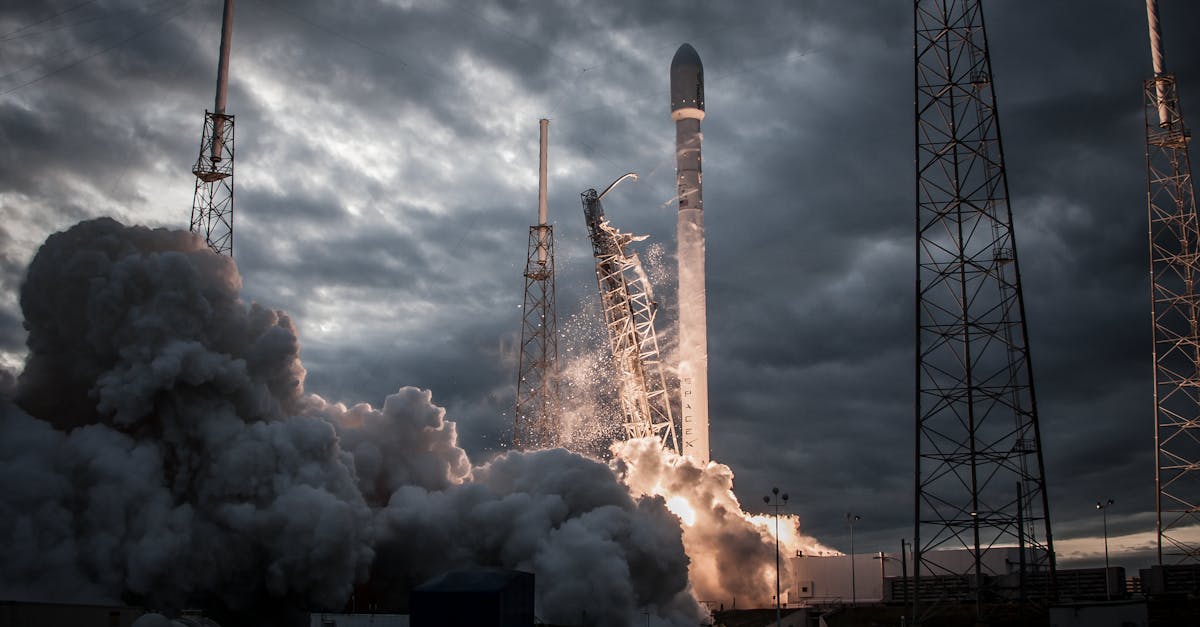
- Long March 7A rocket explodes 85 seconds into flight from Wenchang spaceport.
- Chinese space authorities confirm a flight anomaly caused the failure.
- Investigation launched; no immediate word on cause or impact on future missions.
A Chinese Long March 7A rocket exploded in the skies above the Wenchang spaceport on Monday, just 85 seconds after liftoff. The failure marks a rare public setback for China's rapidly expanding space programme, which has in recent years carried out dozens of successful launches annually.
Video footage circulating on social media and broadcast by multiple outlets shows the rocket lifting off normally, then veering off course before a massive fireball engulfs the upper stage. Debris appears to fall into the sea, though authorities have not yet confirmed any damage on the ground.
Flight anomaly confirmed
China's space agency, in a brief statement, attributed the incident to a "flight anomaly" without providing specifics. The statement did not mention any casualties, and officials have not yet confirmed whether the rocket was carrying a payload. Typically, Long March 7A missions are used to place satellites into geostationary transfer orbit.
The launch had been scheduled as part of China's busy 2026 manifest, which includes crewed missions to the Tiangong space station and a growing constellation of communication and navigation satellites. The failure could prompt a temporary grounding of the Long March 7A fleet while investigators review telemetry data.
Rare failure for a workhorse rocket
The Long March 7A is a variant of the Long March 7, which first flew in 2016 and has become a cornerstone of China's launch capabilities. The 7A version, designed for heavier payloads, had its debut in 2020 and suffered a failure on its first flight. Since then, it has logged a string of successful missions, making Monday's explosion an outlier.
Chinese launch providers have generally maintained a high success rate, but recent years have seen a few high-profile anomalies, including a Long March 3B failure in 2020 and a Long March 5 issue in 2017. Each time, the programme rebounded after investigations, but the incidents underscore the risks inherent in spaceflight.
Immediate impact and response
Within hours of the explosion, Chinese state media downplayed the event, focusing instead on the country's broader space achievements. However, international observers noted that the failure could delay upcoming missions, particularly those relying on the 7A's unique lift capacity.
No foreign assets are believed to have been affected, and the launch site, located on Hainan Island, is in a relatively remote coastal area. Local authorities have not reported any injuries, but an investigation team is expected to examine debris and flight data in the coming days.
The incident also raises questions about China's commercial launch ambitions, as private firms and state entities increasingly compete for international contracts. A prolonged grounding could give rivals like SpaceX a temporary edge in the global launch market.
What to watch
In the coming weeks, China's space agency is likely to release preliminary findings from the investigation. The key will be whether the anomaly stems from a manufacturing defect, a design flaw, or an operational error. If the cause is identified quickly, the Long March 7A could return to flight before the end of the year. Otherwise, China may need to reshuffle its launch schedule, potentially delaying several satellite deployments and a planned cargo resupply mission to Tiangong.