Nanoparticles Fight Cancer
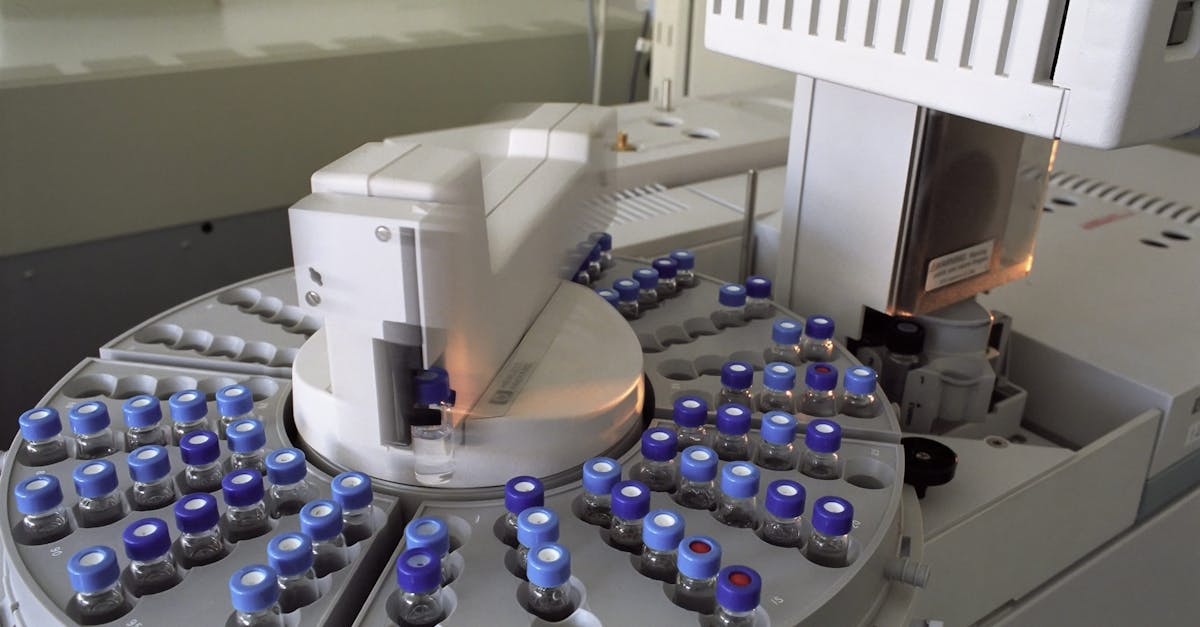
- Nanoparticles can deliver antibodies to cells
- Targeted therapy for cancer and inflammation
- New study offers hope for improved treatments
Introduction to Nanoparticle Therapy
Researchers have made a breakthrough in the field of medicine with the discovery that nanoparticles can sneak antibodies into cells to inhibit cancer and inflammation. This innovative approach has the potential to revolutionize the way diseases are treated.
How Nanoparticles Work
Nanoparticles are tiny particles that can be engineered to target specific cells in the body. By attaching antibodies to these nanoparticles, scientists can deliver targeted therapy to affected areas. This method allows for a more precise and effective treatment, reducing the risk of harm to healthy cells.
Potential Applications
The use of nanoparticles to deliver antibodies has far-reaching implications for the treatment of various diseases, including cancer and inflammation. By inhibiting the growth of cancer cells, nanoparticles can help reduce tumor size and slow disease progression. Similarly, targeting inflammatory cells can help alleviate symptoms and improve quality of life for patients with chronic conditions.
Future Research Directions
While the study's findings are promising, officials have not yet confirmed the specifics of the research methodology or the timeline for human trials. Further research is needed to fully understand the potential of nanoparticles in medicine and to explore their applications in various fields.
Researchers are likely to investigate the use of nanoparticles in combination with other therapies to enhance their effectiveness. Additionally, studies will focus on the long-term safety and efficacy of nanoparticle-based treatments.
Conclusion of Current Research
The discovery of nanoparticles' ability to deliver antibodies to cells marks a significant milestone in medical research. As scientists continue to explore the potential of this technology, patients may soon have access to more targeted and effective treatments for cancer, inflammation, and other diseases.
The next step will be to conduct rigorous clinical trials to test the safety and efficacy of nanoparticle-based therapies in humans. If successful, this technology could lead to the development of new treatments that improve patient outcomes and save lives.