UK Navy drone cameras linked to China in data leak report
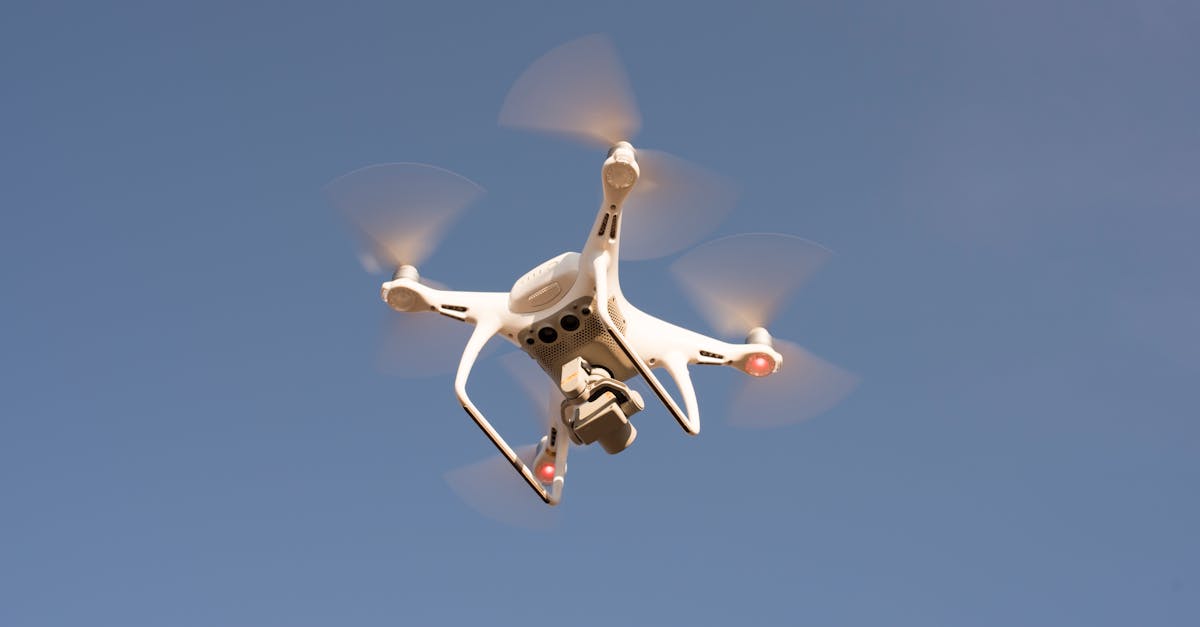
- UK military drones reportedly fitted with Chinese cameras that sent data to Beijing.
- Report by The Telegraph and The Times sparked security alarm.
- Officials have not yet confirmed the breach or details of the investigation.
London: A fresh security scare has hit the UK military after reports claimed that cameras fitted on Royal Navy drones were secretly transmitting data to Beijing. The findings, published by The Telegraph and later picked up by The Times, have triggered concerns about supply chain vulnerabilities in defence equipment.
What the reports say
According to the reports, the Chinese-made cameras were installed on Navy drone boats, which are used for surveillance and reconnaissance missions. The devices were allegedly found to be sending data to servers in China, raising fears of espionage and operational compromise.
The reports did not specify the exact model of the drones or the number of units affected. However, they suggest that the issue was discovered during a routine security audit, prompting an immediate review of equipment sourcing protocols.
Security implications
The revelation has alarmed defence experts and lawmakers in the UK, who are now questioning the vetting process for components used in military hardware. The use of foreign-made parts, especially from nations with strategic rivalries, has long been a point of contention in defence procurement.
While the UK has strict guidelines for sourcing sensitive equipment, this incident underscores the difficulty in tracing the origins of every component in complex systems like drones. The reports indicate that the cameras were not initially flagged as high-risk, possibly due to their commercial availability.
Official response awaited
Neither the UK Ministry of Defence nor the Royal Navy has issued an official statement so far. Officials have not yet confirmed the breach or the scope of the investigation, leaving room for speculation.
A source familiar with the matter told reporters that a probe has been launched, but refused to comment on whether the data transmitted included classified information. The focus, the source said, is on determining how the cameras ended up in the supply chain and whether any other equipment is affected.
Broader context
This is not the first time Western militaries have faced scrutiny over Chinese-made components. Similar incidents have been reported in the US and other NATO countries, leading to calls for stricter controls on technology imports.
In recent years, the UK has taken steps to diversify its defence supply chain, but the reality is that globalised manufacturing makes complete self-reliance difficult. The incident is likely to push the government to revisit its procurement policies and enhance scrutiny of third-party suppliers.
For now, the immediate concern is damage assessment. The Royal Navy is expected to conduct a thorough review of its drone fleet to ensure no other devices are compromised.
What to watch
The Ministry of Defence is expected to make a formal statement in the coming days. Questions are likely to be raised in Parliament, and pressure will mount on defence officials to explain how the oversight occurred and what measures will be taken to prevent a recurrence.