WHO: Congo's Ebola outbreak began months before detection
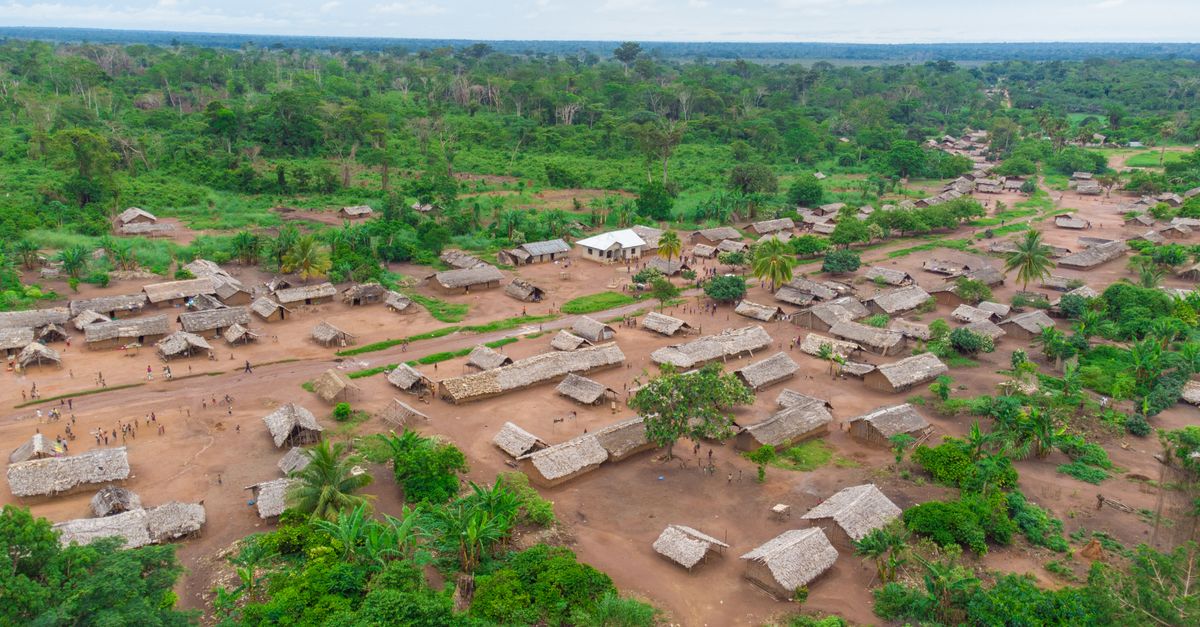
- WHO confirms Ebola outbreak in DR Congo began months before official declaration.
- Africa CDC and WHO call for urgent, community-led action to contain spread.
- Pregnant women avoiding hospitals over Ebola fears, leading to more deaths.
Outbreak older than thought
The World Health Organization has revealed that the fast-moving Ebola outbreak in the Democratic Republic of Congo began months before it was officially declared. This admission means health officials have been playing catch-up since the first cases were confirmed, according to the WHO's latest assessment.
The virus, identified as the Bundibugyo strain, has spread across multiple countries, complicating containment efforts. The WHO's warning underscores a critical gap in early detection and response, a challenge that has plagued previous Ebola outbreaks in the region.
Urgent call for community-led action
Africa CDC and the WHO have jointly called for urgent, community-led action to contain the outbreak. Their statement emphasizes that top-down measures alone will not suffice; local communities must be empowered to lead response efforts.
Health workers on the ground are facing resistance and fear, particularly among pregnant women who are avoiding hospitals. This avoidance has led to a rise in maternal deaths, as routine healthcare services collapse under the shadow of Ebola.
Pregnant women at heightened risk
Reports from the region indicate that more pregnant women are dying as they skip hospital visits, fearing Ebola infection. This indirect toll of the outbreak is a stark reminder that infectious disease crises often exacerbate other health emergencies.
The International Organization for Migration's latest situation report, covering late July to early August, highlights the multi-country spread of the Bundibugyo strain. The report notes that cross-border movement is fueling transmission, making regional coordination essential.
Playing catch-up
The WHO's acknowledgment that the outbreak started earlier than declared is a sobering reality check. Officials are now racing to trace contacts and vaccinate high-risk populations, but the delay has given the virus a head start.
In past outbreaks, early detection was key to limiting spread. With this head start, the current response may need to scale up significantly to avoid a repeat of the devastating 2014-2016 West Africa epidemic, which killed over 11,000 people.
What to watch
In the coming weeks, the focus will be on how quickly community-led initiatives can be rolled out and whether regional governments can align their strategies. The WHO has not yet confirmed the exact timeline of the outbreak's origin, and officials have not disclosed specific case counts or mortality figures.
The situation remains fluid, and the effectiveness of the response will hinge on trust-building between health authorities and local populations. As the world watches, the DRC and its neighbours face a critical test in containing this preventable tragedy.