iPhone 18 Pro BOM Cost Up 40%, Apple May Sacrifice Margins
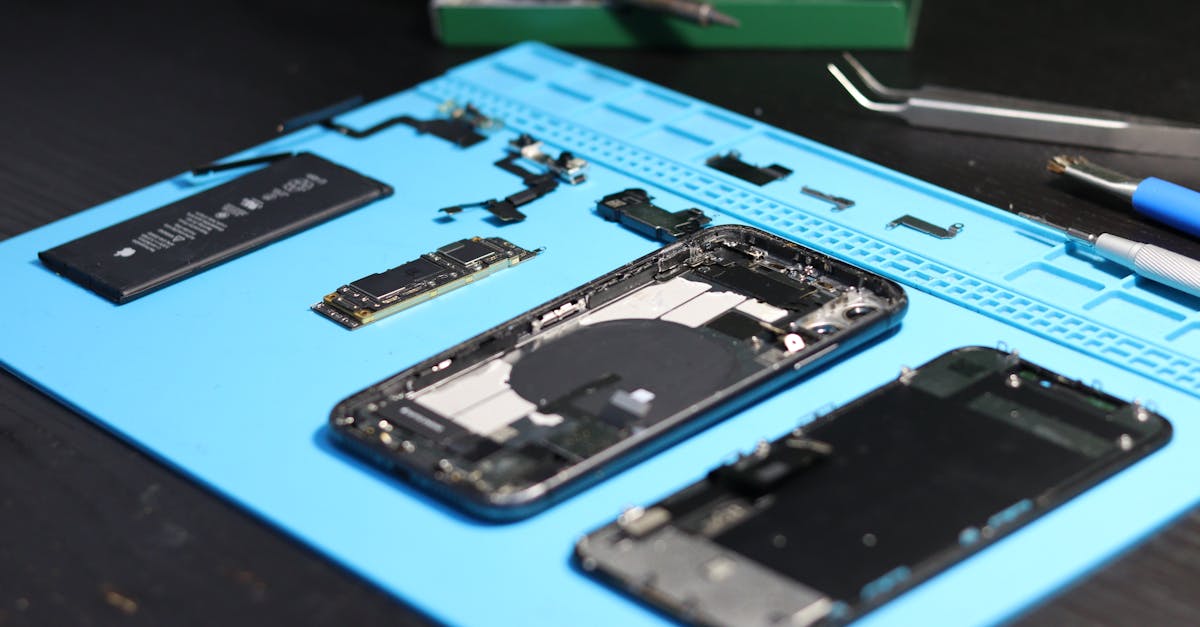
- iPhone 18 Pro BOM cost estimated to rise nearly 40%
- Apple may sacrifice margins to sustain shipments
- September launch expected despite cost pressures
- Retail employee lottery hints at imminent launch
Component Costs Set to Surge
The iPhone 18 Pro is expected to see a significant jump in its bill of materials (BOM) cost, with estimates suggesting an increase of up to 40% compared to its predecessor. This projection comes from TrendForce, a market research firm, and has sparked discussions about how Apple will navigate the rising expenses.
The BOM cost includes all the components that go into making the device, such as the display, processor, memory, and camera modules. A 40% rise would be one of the steepest jumps in recent years, driven by higher prices for advanced chips and other key parts.
While Apple has historically managed to maintain healthy margins, the scale of this cost increase could force the company to make tough choices. TrendForce suggests that Apple might sacrifice some of its profit margins to keep iPhone shipments stable, rather than passing on the full cost to consumers.
Pricing Dilemma: Hike or Absorb?
There are conflicting reports about how Apple will handle the pricing of the iPhone 18 Pro. Some sources indicate that Apple is considering a price hike to offset the higher component costs, while others believe the company will absorb the expenses to stay competitive.
A price increase could dampen demand, especially in price-sensitive markets like India, where premium smartphones already occupy a niche segment. On the other hand, absorbing the cost might help Apple maintain its market share but could impact its profitability.
Apple has not officially commented on the BOM cost estimates or pricing strategy. Historically, the company has been selective about passing on cost increases, often preferring to adjust features or supply chain arrangements instead.
September Launch on Track
Despite the cost pressures, the iPhone 18 Pro is still expected to launch in September. Reports suggest that demand for the device remains strong, prompting Apple to stick to its usual launch timeline.
In a related development, Bloomberg reports that Apple is gearing up for the September launch with a retail employee lottery. This is an internal event where store employees get a chance to win early access to the new iPhones, a practice Apple has used in the past to build excitement.
This lottery is often a strong indicator that the launch is imminent, as it typically happens a few weeks before the official release date.
What This Means for Consumers
For consumers, the key question is whether the iPhone 18 Pro will carry a higher price tag. If Apple decides to pass on the cost, the device could become more expensive than its predecessor, which already retails at a premium.
However, some analysts believe that Apple will keep the base price unchanged, instead offering higher storage variants at a premium, a strategy that has worked well in the past. This approach allows Apple to maintain the entry-level price point while improving average selling prices.
Given the competitive landscape, especially with rivals like Samsung and Google pushing their flagship devices, Apple may be cautious about pricing itself out of the market.
Looking Ahead
As the September launch approaches, more details are likely to emerge about the iPhone 18 Pro's specifications and pricing. Whether Apple chooses to absorb the cost or pass it on, the decision will have a significant impact on its margins and consumer demand. Industry watchers will be closely monitoring pre-order numbers to gauge the market's reaction. The coming weeks will reveal the final pricing strategy and how it shapes the smartphone market in the latter half of 2026.