NASA invites ISRO to join Moon base programme, seeks deeper space ties
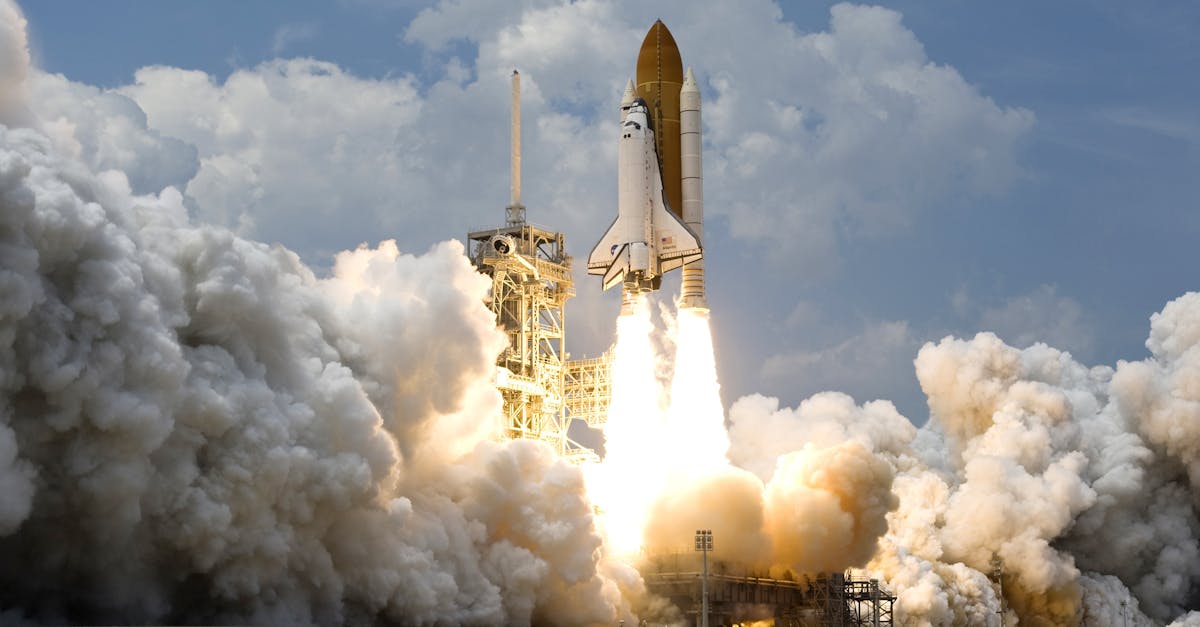
- NASA extends invitation to ISRO for Moon base programme
- Both agencies to explore broader collaboration in space exploration
- Move signals deepening India-US space partnership
The United States space agency NASA has formally invited the Indian Space Research Organisation (ISRO) to participate in its ambitious Moon base programme, signalling a major expansion of bilateral space cooperation between the two countries.
The invitation, confirmed by officials familiar with the development, opens the door for Indian scientists and engineers to contribute to the design, development, and operation of a sustained human presence on the lunar surface. The programme aims to establish a permanent habitat on the Moon, building on the success of recent robotic and crewed missions.
Deepening partnership
NASA's outreach to ISRO goes beyond the lunar initiative. The two agencies are exploring joint missions, data sharing, and technology exchanges across a range of domains, including planetary science, Earth observation, and human spaceflight.
India's recent achievements, such as the Chandrayaan-3 lunar landing near the south pole, have positioned ISRO as a reliable and capable partner in space exploration. The invitation reflects growing confidence in India's technical prowess and its potential to contribute meaningfully to long-duration missions.
Strategic significance
The move underscores the strategic alignment between Washington and New Delhi in space. Over the past few years, the two nations have signed several agreements, including the Artemis Accords, which outline shared principles for peaceful and transparent space exploration.
ISRO has already committed to the Artemis programme, which aims to return humans to the Moon and eventually establish a sustainable presence. The new invitation is seen as a natural progression, offering India a seat at the table in shaping the next era of lunar exploration.
What this means for ISRO
For ISRO, participation in the Moon base programme could accelerate its own capabilities in life support systems, habitat construction, and in-situ resource utilisation. Indian industry and academia are expected to play significant roles, potentially opening new avenues for research and commercial opportunities.
Officials have not yet disclosed the specific roles or timelines for Indian involvement, but discussions are said to be at an advanced stage. An official announcement is expected in the coming months.
The invitation also comes at a time when global interest in lunar exploration is surging, with multiple countries and private entities planning missions. Collaborative frameworks like this are increasingly seen as essential to managing costs and risks while maximising scientific returns.
While details remain under wraps, the development marks a notable milestone in India-US space relations. It also raises questions about the future of other international lunar initiatives and how they will coexist with the Artemis-led efforts.
As the two agencies work out the specifics, the focus will be on ensuring that India's participation is meaningful and mutually beneficial. For now, the invitation stands as a testament to the growing trust and ambition shared by the world's two largest democracies in their quest to explore the final frontier.
Next steps will likely involve technical working groups and bilateral meetings to finalise the scope of cooperation. The coming months will reveal how quickly this partnership moves from invitation to implementation.