Third-gen foldable iPhone tipped for larger displays, Ultra model
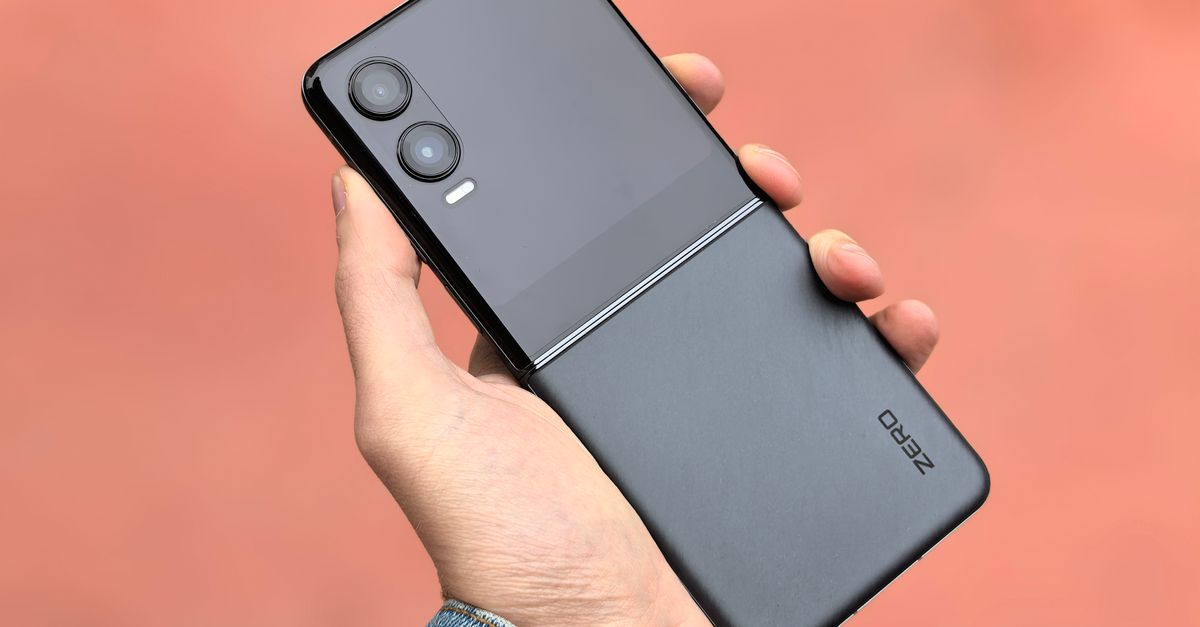
- Third-generation foldable iPhone said to feature larger displays
- iPhone Ultra compared to Samsung Galaxy Z Fold 8 in key differences
- Design quirk leaves bad first impression on some Apple fans
- Leak confirms dark blue color option for iPhone Ultra
Apple's next big bet on foldables is taking shape, and the early word is that size matters. According to a fresh report from GSMArena, the third-generation foldable iPhone is expected to arrive with larger displays than its predecessor. The news comes as part of a broader wave of leaks and commentary surrounding the upcoming iPhone Ultra, which appears to be the centrepiece of Apple's foldable ambitions.
Bigger screens, bigger questions
The report suggests that Apple is pushing the envelope on display real estate, aiming to close the gap with rivals like Samsung. The Galaxy Z Fold 8 has long been the benchmark in this segment, and the iPhone Ultra is being positioned as a direct competitor. While exact dimensions remain unconfirmed, industry watchers believe the third-gen model will offer a noticeable bump in both cover and main screen sizes.
That said, bigger isn't always better. A separate piece from Gadget Hacks flags a design quirk in the foldable iPhone Ultra that has left a bad first impression on some Apple fans. The details are still murky, but the criticism appears to centre on the device's hinge or crease management—an area where even seasoned players have struggled.
Ultra vs Z Fold 8: The battle lines
Comparisons with Samsung's Z Fold 8 are inevitable, and a breakdown from GSMArena highlights the key differences between the two devices. The iPhone Ultra is expected to lean on Apple's ecosystem advantages—seamless integration with iOS, tighter app optimisation, and the company's custom silicon. Samsung, on the other hand, brings years of foldable refinement and a more mature multitasking experience.
For now, the specs are largely speculative. But the chatter suggests Apple is aiming for a premium price point, possibly exceeding the Z Fold 8's already hefty tag. Whether that strategy pays off will depend on how well the device addresses the compromises that have historically plagued foldables.
What reviewers want from the iPhone Ultra
Android Authority's reviewer, who has spent years testing foldable devices, has laid out five things the iPhone Ultra needs to succeed. The list includes better durability, improved battery life, and a more intuitive cover screen experience. There's also a call for Apple to nail the software—foldables only work if apps adapt gracefully to changing screen sizes.
Another leak from Macworld confirms earlier reports of a dark blue model, adding a splash of colour to what could otherwise be a fairly conservative palette. This aligns with Apple's recent trend of introducing distinctive finishes for its flagship devices, and it suggests the company is paying attention to aesthetics as much as engineering.
Mixed signals from the fanbase
Not everyone is thrilled, though. The design quirk mentioned earlier has sparked debate in Apple forums, with some fans questioning whether the foldable format is worth the trade-offs. The lack of a display crease-free experience, a common complaint across all foldables, could be a sticking point for a brand that prides itself on polish.
Still, Apple has a track record of entering a category late and redefining it. The company's first foldable, expected to launch next year, will be a test of whether that magic can be replicated in a form factor that many still view as a novelty.
What to watch next
As the launch window approaches, more concrete details are likely to emerge—pricing, battery capacity, and the all-important crease test. Industry analysts will be watching closely to see if Apple can deliver a foldable that feels less like a compromise and more like a statement. For now, the third-generation foldable iPhone remains a promise, but one that's getting harder to ignore.