8 Months in Spain: Wellness Habits Worth Adopting
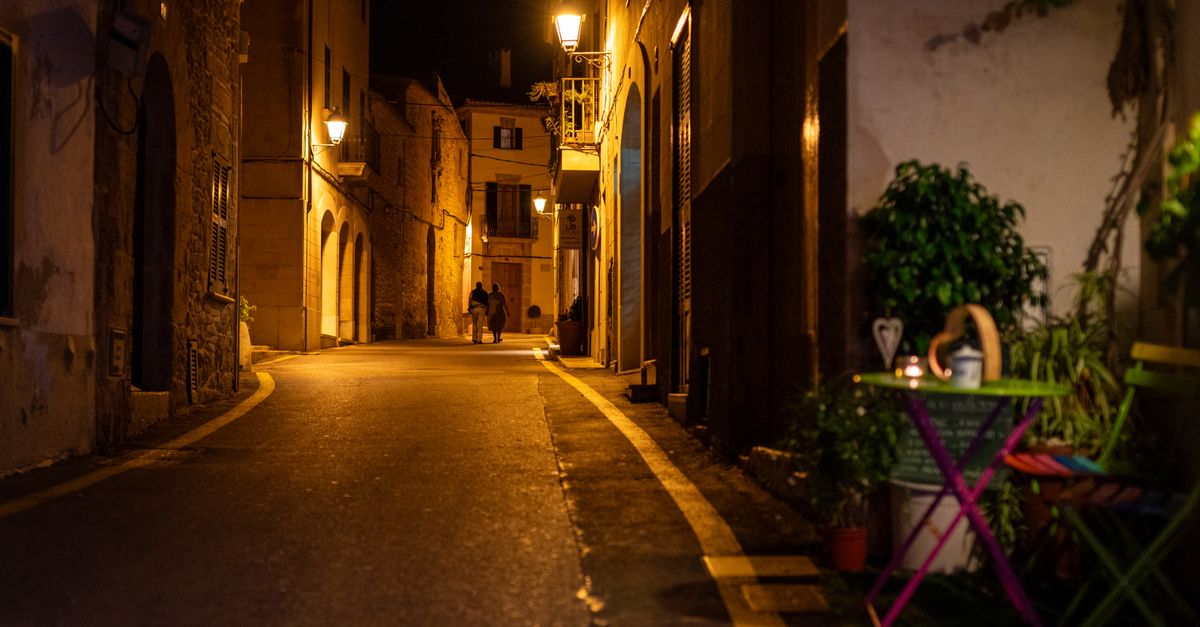
- Daily walks are a non-negotiable part of Spanish life.
- Meals are slow, social, and never rushed.
- Napping, or siesta, is about rest, not just sleep.
A Shift in Pace
When I moved to Spain for eight months, I expected to learn the language and eat my weight in tapas. What I didn't expect was a complete reset of my daily rhythms. The Spanish approach to wellness isn't about intense workouts or strict diets. It's about weaving small, sustainable habits into everyday life.
Back home, I was used to squeezing in a gym session before work and eating lunch at my desk. In Spain, that mindset felt out of place. The streets were alive with people walking, not jogging with earbuds in. Cafés were full at 11 a.m. with friends sharing a coffee. Everything felt slower, and somehow, that slowness felt healthier.
The Daily Walk Is Sacred
The most noticeable habit was the evening paseo. After dinner, families and friends would stroll through the neighbourhood, often stopping to chat. It wasn't exercise in the conventional sense, but it was movement. And it was social. I started joining in, and within weeks, my step count doubled without me ever stepping into a gym.
Walking after meals, especially dinner, became a ritual. It helped with digestion and cleared my head. I noticed I slept better too. The Spanish don't walk to burn calories; they walk to connect with their surroundings and each other. That shift in intention made all the difference.
Meals Are a Slow Affair
Lunch in Spain is not a grab-and-go event. It's the main meal of the day, often starting at 2 p.m. and lasting over an hour. I learned to sit down, savour each bite, and actually talk to the people around me. No phones on the table. Just food and conversation.
This slow eating had a surprising effect: I felt fuller with less food. My mind had time to register satisfaction, so I stopped overeating. Fresh ingredients were the norm—ripe tomatoes, crusty bread, olive oil. Nothing processed. The simplicity was refreshing, and I found myself craving these meals even after I left.
Rest Is Non-Negotiable
The siesta is often misunderstood as a long nap, but in reality, it's a pause. Shops close, streets quiet down, and people go home to rest. I started taking a short rest after lunch, not always sleeping, but just lying down or reading. That 20-minute reset made my afternoons far more productive than my usual caffeine crash.
Evening socialising also starts late—dinner around 9 or 10 p.m. It took me a while to adjust, but I realised that this late dinner meant I never ate out of boredom. I was eating because I was hungry, and I was socialising because I wanted to, not because it was an obligation.
Bringing It Home
Returning to my old routine was jarring. The first week, I found myself eating lunch in front of my laptop and skipping my evening walk. But I've slowly reintroduced the habits that stuck. I now take a 15-minute walk after lunch, even if it's just around the block. Dinner is a proper sit-down meal, no screens.
The biggest lesson from Spain wasn't about any single practice. It was about intentionality. Wellness isn't a punishing routine; it's a gentle way of living that respects your body and your time. I'm not saying I've perfected it, but I'm far more mindful now.
As more people look for sustainable habits rather than quick fixes, the Spanish model offers a compelling alternative. Expect to see more wellness advice borrowing from this slow-living philosophy, focusing on daily movement, communal meals, and rest as foundational pillars of health.