Bengaluru's green buffer plan remains on paper
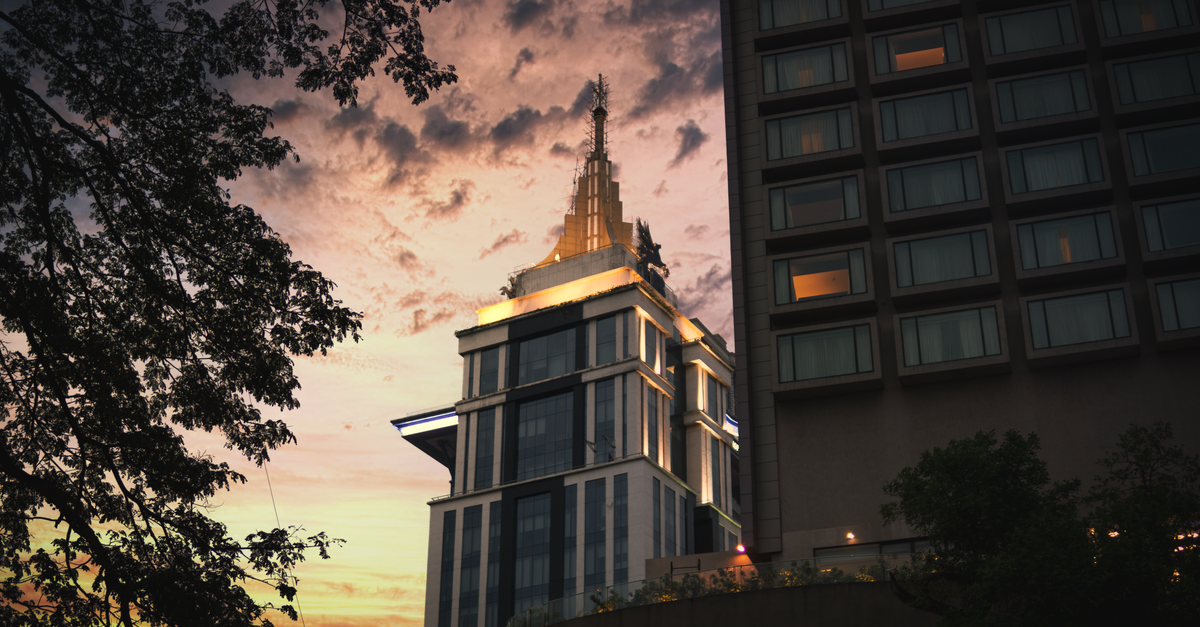
- The green belt project for Bengaluru has seen no visible progress.
- Officials have not confirmed a revised timeline for implementation.
- Environmentalists warn of worsening air quality and heat stress without the buffer.
Green belt promise stuck in files
Bengaluru's much-touted green belt—a planned ring of vegetation meant to act as the city's natural defence against pollution and heat—has made no tangible headway. The proposal, first floated years ago, remains confined to government records, with no visible work on the ground. This was confirmed by a fresh review of the project's status, which shows that the buffer zone is yet to take shape.
The concept was to create a continuous stretch of trees and open spaces around the city's periphery. Officials had argued that such a shield would absorb carbon emissions, lower ambient temperatures, and check unplanned urban sprawl. But residents and civic activists say they have seen no saplings planted, no land acquired, and no fencing erected.
Why the delay rankles
The delay comes at a time when Bengaluru's green cover is shrinking rapidly. Tree felling for infrastructure projects, encroachment on lake beds, and the relentless construction of high-rises have all chipped away at the city's natural buffers. Each summer, the city records higher peak temperatures, and air quality indices have worsened in several neighbourhoods.
Environmentalists point out that the green belt was not a cosmetic addition but a functional necessity. Without it, the city's microclimate will continue to deteriorate, and the burden on already-strained water resources will grow. They argue that every year of inaction makes the eventual task harder and costlier.
What the authorities say
Officials have not yet confirmed a revised timeline for the project. They have not disclosed whether land identification has been completed or if funds have been allocated. The silence has only deepened the scepticism among those who have tracked the proposal's journey from announcement to dormancy.
The state forest department had earlier indicated that the green belt would be developed in phases, with the first phase covering the city's eastern and southern flanks. But ground reports suggest that even the preliminary surveys are incomplete. No tenders have been floated, and no private landowners have been approached for acquisition.
The cost of inaction
Urban planners warn that the absence of a green buffer will have cascading effects. Stormwater runoff will increase, groundwater recharge will dip further, and the urban heat island effect will intensify. These are not abstract risks—they translate into higher electricity bills for cooling, more water tanker dependence, and greater health vulnerability during heatwaves.
Bengaluru has already seen the consequences of ignoring ecological planning. The city's lakes, once its lifeline, are now either polluted or encroached upon. The green belt was meant to be a corrective measure, but its stalled status suggests the lesson has not been fully absorbed.
What next?
The project's future hinges on whether the state government treats it as a priority. A clear action plan, with milestones and public reporting, would help restore confidence. For now, the green belt remains a promise on paper, and the city continues to wait for the shield it was told was coming.
All eyes are now on the next state budget, where the allocation for the green belt could signal whether the project will move from blueprint to reality, or remain another forgotten plan.