Long Covid linked to gut immune system failing to clear virus, study finds
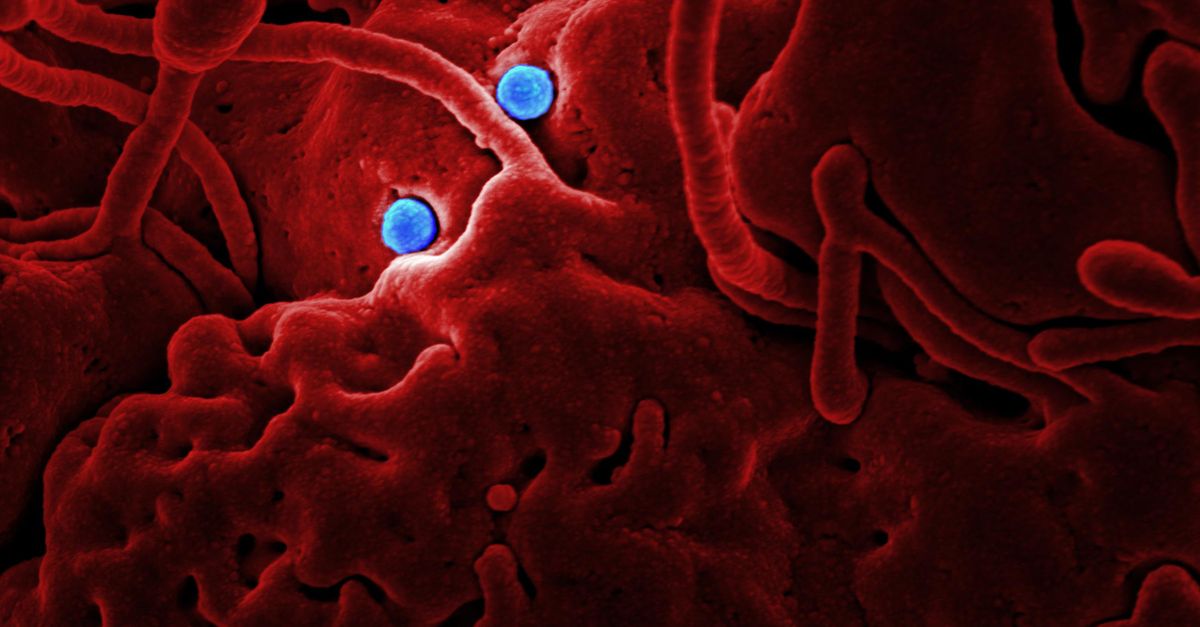
- Study finds gut immune system struggles to clear Covid-19 virus in long Covid patients.
- Persistent viral reservoirs in the gut may trigger ongoing symptoms.
- Findings could guide new therapeutic strategies for long Covid.
Gut immunity under the scanner
A new study has shed light on why some people continue to experience debilitating symptoms long after a Covid-19 infection. Researchers found that the immune system in the gut struggles to completely clear the virus, potentially allowing it to persist and trigger long Covid.
The findings, reported by chinadailyasia.com, point to a breakdown in local immune defences. Instead of mounting a decisive response, the gut's immune cells appear exhausted or dysregulated, leaving viral remnants behind.
What the study reveals
The study focused on tissue samples from patients with long Covid. It showed that the gut lining, a key barrier against pathogens, harbours signs of persistent viral presence. In healthy recoveries, this immune response clears the infection efficiently; in long Covid, it falters.
This persistence may explain symptoms such as chronic fatigue, gastrointestinal distress, and brain fog. The gut-brain axis, already implicated in other conditions, could be central here.
Why the gut matters
The gut houses a large share of the body's immune cells. When the virus lingers there, it can cause low-grade inflammation. This chronic state may ripple through the body, affecting organs far from the digestive tract.
For patients, this means that long Covid is not merely a respiratory issue. It is a systemic condition with roots in an overlooked battlefield: the intestines.
Implications for treatment
The study's authors suggest that therapies aimed at boosting gut immunity might help. Probiotics, dietary changes, or targeted drugs that reinvigorate local immune cells could become part of long Covid management.
However, these are early-stage insights. Clinical trials are needed to confirm whether such interventions actually reduce symptoms. Doctors caution that no single treatment fits all patients, given the syndrome's complexity.
A growing burden
Long Covid affects millions worldwide, including a significant number in India. The condition has strained healthcare systems and disrupted lives. Patients often face disbelief and a lack of clear medical pathways.
This study offers a biological explanation that could validate patient experiences. It moves the conversation from vague symptom lists to a testable mechanism, a step forward for both research and clinical practice.
What lies ahead
Researchers plan to investigate whether gut-focused therapies can reverse the immune deficit. Larger studies will also examine if specific viral variants behave differently in the gut.
For now, the message is clear: long Covid is a real, measurable phenomenon. As science digs deeper into the gut, new avenues for relief may emerge, offering hope to those still waiting for answers.