Mumbai Kurla Landslide: 6 Dead, Rescue Ops On After Chawl Collapse
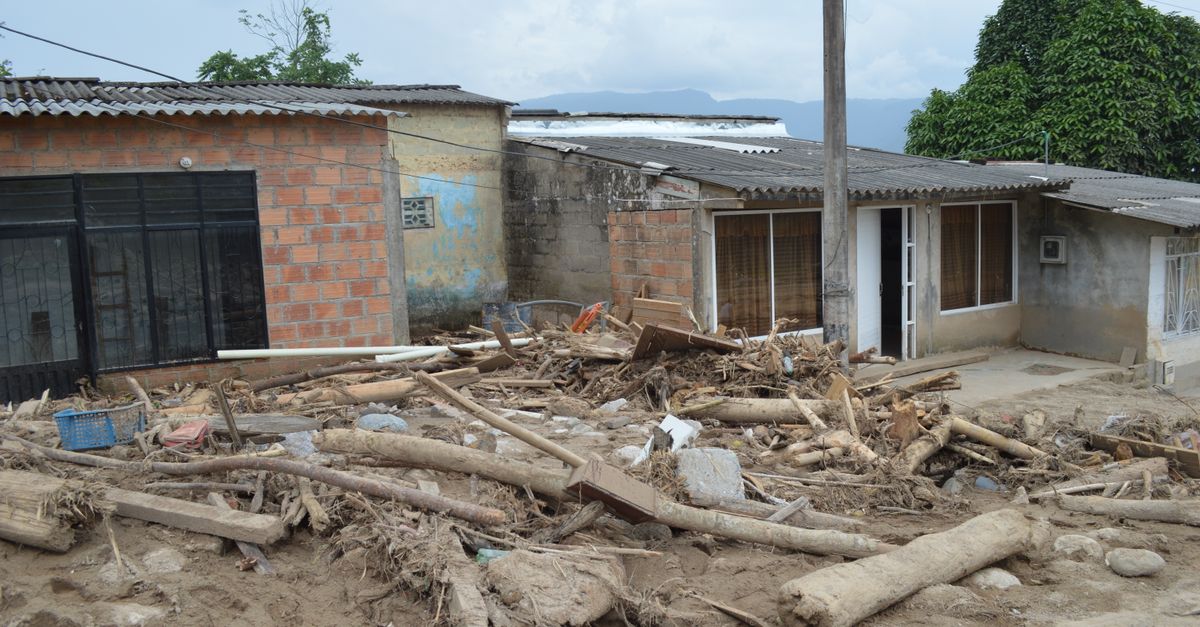
- At least six people dead, several feared trapped after landslide in Kurla, Mumbai.
- The landslide struck a chawl structure following heavy monsoon rains in the city.
- Rescue operations are underway with emergency teams searching for survivors.
- Separate rain-related landslide incidents were also reported in Ghatkopar.
- Officials have not yet confirmed the total number of people still trapped.
Mumbai's relentless monsoon rains turned deadly on Wednesday as a landslide slammed into a chawl in the Kurla area, killing at least six people and leaving several others trapped under the debris. The collapse occurred amid torrential downpours that have battered the city, triggering a frantic rescue operation even as more rain threatened to slow efforts.
Emergency teams, including fire brigade personnel and disaster response units, were deployed to the site shortly after the incident. Witnesses described a sudden rush of mud and rubble that engulfed the lower floors of the structure, trapping residents who had little time to escape.
Rescuers Race Against Time
Rescue workers are using heavy machinery and sniffer dogs to clear the mound of earth and twisted metal, carefully digging through the wreckage to reach those still unaccounted for. Local officials have not yet confirmed the exact number of people trapped, but initial reports suggested several residents were missing.
In a grim twist, rescuers have reportedly recovered a camera belonging to one of the victims and are using its images to help pinpoint where survivors might be located. The device, found in the debris, is being examined to map the layout of the rooms at the time of the collapse.
Mumbai's Fragile Monsoon Battleground
The Kurla chawl, a densely packed residential settlement typical of Mumbai's older neighborhoods, was particularly vulnerable to the landslide. Heavy rains had loosened soil on a nearby slope, and the sudden deluge proved catastrophic. The city's civic body has yet to release an official statement on the cause, but experts point to unchecked construction and poor drainage as recurring hazards during monsoon months.
This incident follows a similar tragedy earlier in the week, when a landslide in Ghatkopar claimed seven lives after intense rainfall. That event, which also occurred during a heavy downpour, had already raised alarm about the stability of hillsides across the city.
Injured Rushed to Hospital; Several Feared Trapped
At least four injured people have been pulled from the rubble and rushed to nearby hospitals, where their condition is reported to be stable. Medical teams remain on standby as the search continues. The deceased have not yet been identified publicly, and authorities have not confirmed their names pending family notification.
Several others are still feared trapped, and rescue efforts have been hampered by narrow lanes and the risk of further collapse. Fire brigade officials said they are taking a cautious approach to avoid endangering the workers or any survivors beneath the debris.
Political and Public Response
Local politicians have visited the site, promising swift compensation for the families of the victims, though no formal announcement has been made. The state government has been under pressure to address the city's crumbling infrastructure, particularly its vulnerability to landslides during the June-September monsoon.
Residents of nearby chawls have voiced their fears, saying that similar structures across Mumbai remain at risk. They are demanding a thorough audit of all such settlements, but officials have yet to respond to these calls.
The India Meteorological Department has forecast more heavy rainfall for Mumbai over the next 48 hours, raising concerns that rescue work could be interrupted. This could also trigger further landslides in other vulnerable pockets of the city.
For now, the focus remains on the rescue operation in Kurla, where every passing minute matters for those still trapped. Authorities are expected to release an updated casualty figure once the search concludes, and the city waits for clearer answers on how to prevent such disasters in the future.