RBI mandates monthly disclosure of loan rates by banks
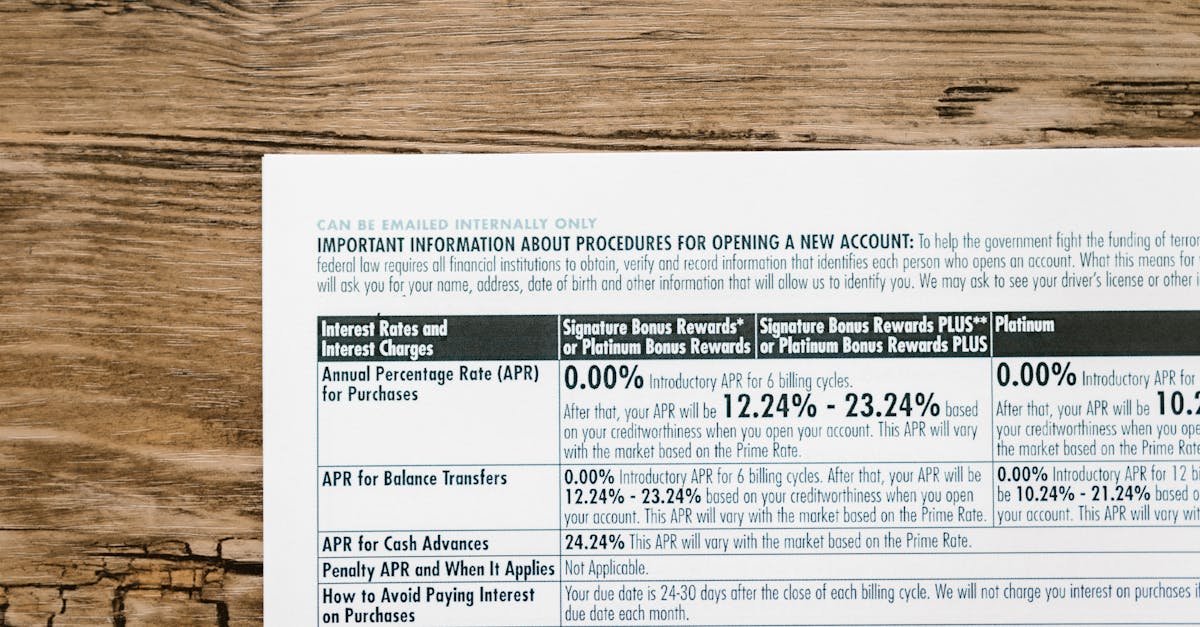
- RBI mandates monthly loan rate disclosure by banks.
- Move aims to boost transparency and customer awareness.
- New rules align with external benchmark-based lending system.
The Reserve Bank of India (RBI) has tightened disclosure norms for banks, requiring them to publish their loan interest rates on a monthly basis. The directive, announced on Wednesday, is aimed at enhancing transparency and helping borrowers make more informed decisions.
What the new norm entails
Under the revised framework, banks must disclose the range of interest rates applied to various loan categories, including home, auto, and personal loans, every month. The disclosure must cover both new and existing loans, with a clear breakdown of the minimum and maximum rates charged.
The central bank has also asked lenders to specify the benchmark rate used for pricing floating-rate loans, along with the spread charged over the benchmark. This is expected to bring uniformity in how banks communicate their lending rates to the public.
Why the move matters
For years, borrowers have complained about the opacity of loan pricing, with many unaware of the actual rate they are paying. The RBI's decision addresses this by making rate information publicly available, allowing customers to compare offerings across banks more effectively.
Banking experts view this as a step toward greater accountability. It also aligns with the central bank's earlier push for external benchmark-based lending, which links loan rates to transparent reference rates like the repo rate.
Impact on banks and borrowers
Banks will now need to update their rate sheets monthly, which may require changes to their internal reporting systems. Smaller lenders, in particular, might face operational challenges in collating and publishing the data promptly.
For borrowers, the move is a win. It simplifies the process of tracking rate movements and assessing whether their lender has passed on the benefit of policy rate cuts. The disclosure could also intensify competition, as banks may be compelled to keep rates competitive when their pricing is visible to all.
What to watch
The RBI has not yet specified a compliance deadline, though industry watchers expect the first set of disclosures within the coming quarter. Lenders will be watching closely to see if the central bank extends similar disclosure requirements to non-banking financial companies (NBFCs) in the future.