RRI scientists predict 'petal-like' corona structures for 2026 eclipse
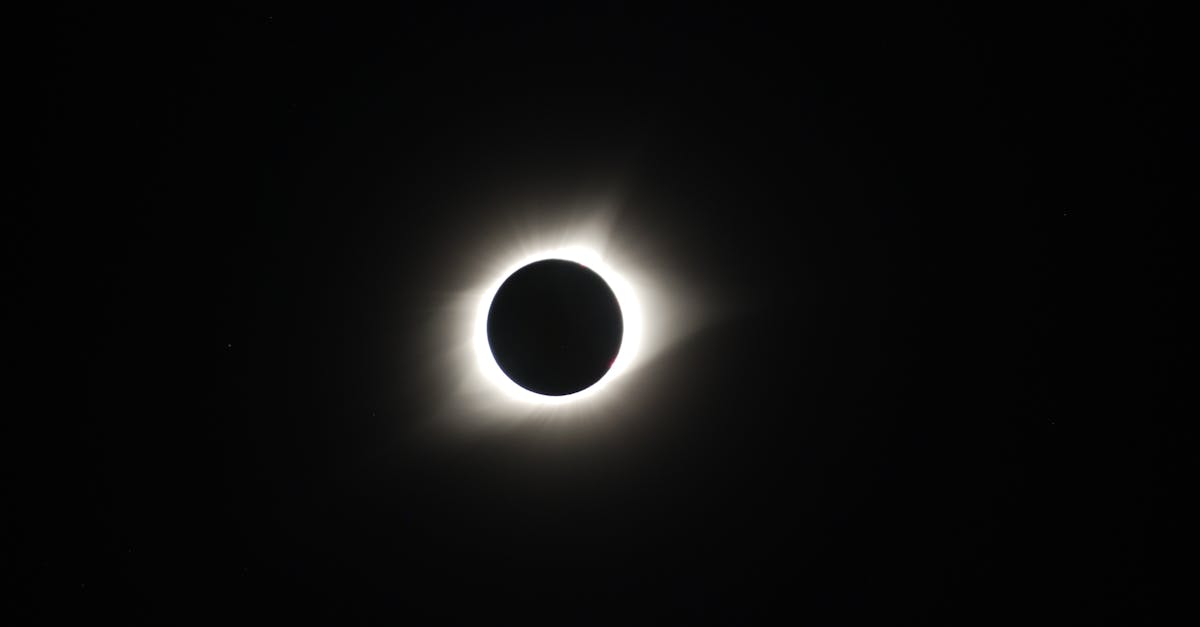
- RRI-led team predicts petal-like structures in the Sun's corona during the 2026 total solar eclipse.
- The prediction offers a rare test for solar magnetic field models using eclipse observations.
- The eclipse will be visible across parts of Europe, with NASA and ESA also planning observations.
Predicting the corona's shape
A team led by scientists from the Raman Research Institute (RRI) in Bengaluru has predicted that the Sun's corona will display 'petal-like' structures during the total solar eclipse on August 12, 2026. The prediction, based on advanced computer models of the Sun's magnetic field, offers a rare opportunity to test our understanding of the star's outer atmosphere.
The corona, the Sun's outermost layer, is normally hidden by the bright solar disk. During a total eclipse, it becomes visible to the naked eye, appearing as a pearly white halo with intricate streamers, loops, and — if the RRI team is right — petal-like formations.
Models vs reality
The team's models simulate how the Sun's magnetic field shapes the corona. These simulations suggest that, at the time of the eclipse, the corona will feature distinct petal-like structures, likely formed by the interaction of magnetic field lines with solar plasma.
Scientists say this is a crucial test. Eclipse observations have historically provided snapshots of the corona, but predictions made beforehand are rare. If the observed corona matches the RRI team's forecast, it would validate current models of solar magnetism. If not, the models may need revision.
A global scientific effort
The August 2026 eclipse will be visible across parts of Europe, including Spain, Iceland, and Greenland. This has drawn attention from space agencies and research institutions worldwide.
NASA plans to chase the eclipse with balloons and a high-altitude jet, capturing images and data from the stratosphere. The European Space Agency (ESA) has also been working on how to mimic and model the eclipse, using it as a testbed for future missions.
Meanwhile, students from Montana State University are set to help NASA's science efforts during the eclipse, contributing to a broader campaign to study the Sun's corona.
Why this matters
The corona is the source of the solar wind and is key to understanding space weather, which can affect satellites, power grids, and communication systems on Earth. Yet many aspects of the corona remain poorly understood, including why it is millions of degrees hotter than the Sun's surface.
Predicted structures like the petal-like formations provide a concrete way to test theories. The RRI team's work is part of a larger effort to build reliable models of the Sun's magnetic environment.
What to watch
On August 12, 2026, teams across Europe and beyond will be poised to capture the eclipse. The RRI prediction will be compared with actual observations within days, and the results could influence solar physics research for years.
For now, the scientific community awaits the moment of totality — a fleeting few minutes that could confirm or challenge the models. The outcome will be watched closely by solar physicists in India and around the world.