Science Names Renewable Energy 2025 Breakthrough of the Year
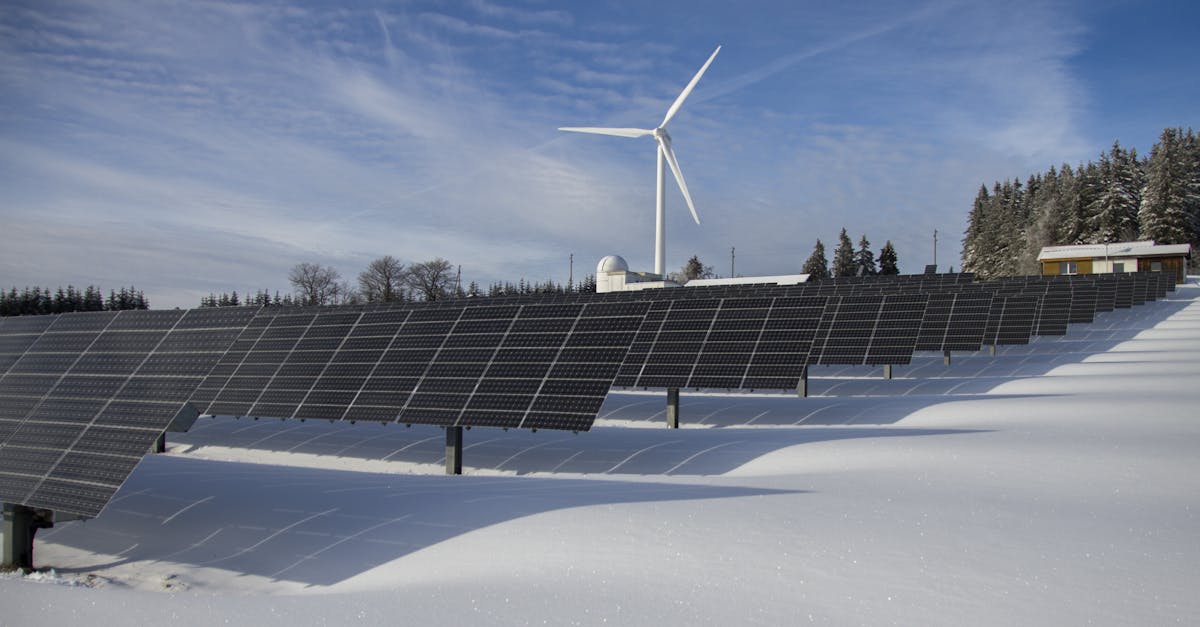
- Science journal recognizes renewable energy as 2025 Breakthrough of the Year.
- Rapid solar and wind expansion marked a turning point in the global energy transition.
- Experts note that further investment and policy support are crucial to maintain momentum.
In a year defined by climate extremes and energy security concerns, the editors of the prestigious journal Science have made a decisive call. They have named renewable energy—specifically the stunning acceleration of solar and wind power—as their 2025 Breakthrough of the Year. It is a recognition that moves beyond laboratory marvels to salute a real-world, grid-scale transformation that is finally outpacing expectations.
An Unstoppable Surge
The numbers tell a story that was almost unthinkable a decade ago. Solar and wind capacity has grown at a pace that has repeatedly smashed forecasts. Costs for these technologies have plummeted, making them the cheapest source of new electricity in most parts of the world.
This is no longer a niche experiment. In 2025, renewables are projected to account for a record share of global electricity generation, with several countries crossing significant milestones. The momentum is not just environmental; it is economic, driven by market forces that favour clean power.
Why This Year Matters
While renewable energy has been on the rise for years, 2025 marks a critical threshold. The pace of deployment has shifted from incremental to exponential. Supply chains have matured, and energy storage solutions are beginning to solve the intermittency puzzle.
The journal's editors argue that this year's advances are not just about new technology, but about the systems that make it work. Smart grids, better forecasting, and massive battery installations are turning variable power sources into reliable baseload equivalents. This systemic progress, they say, is the true breakthrough.
Challenges Remain
Despite the optimism, the transition is far from complete. Grid infrastructure in many countries, including India, needs massive upgrades to handle the influx of renewable power. Permitting bottlenecks and land acquisition disputes continue to slow projects.
Furthermore, the intermittency of solar and wind demands a robust energy storage strategy. While battery costs have fallen dramatically, large-scale storage at the terawatt-hour level remains a formidable engineering and financial challenge. Policymakers are also grappling with how to manage the social costs of transitioning away from fossil fuels, particularly in regions dependent on coal mining.
The Indian Context
For India, this recognition comes at a pivotal moment. The country has set ambitious targets of 500 GW of non-fossil fuel capacity by 2030, and recent tenders for solar and wind projects have seen record-low tariffs. The World Bank and other multilateral agencies have noted India's progress in expanding its renewable footprint.
But the journey is not without hurdles. The need for round-the-clock power, especially for agriculture and industry, means that renewable energy must be paired with reliable storage or complementary sources. The government's push for green hydrogen and solar manufacturing under the PLI scheme is a step in the right direction.
What Next
The recognition from Science is more than a pat on the back; it is a signal to investors and governments that the energy transition is not a passing trend. The coming years will test whether the world can maintain this pace, overcome grid bottlenecks, and ensure that the benefits of cheap, clean power reach every corner of the globe.
As 2026 approaches, all eyes will be on the next round of climate commitments and the actual construction of planned renewable projects. The question is no longer whether renewable energy is viable, but whether we can build the infrastructure fast enough to meet the climate challenge.