Solar Eclipse and Perseid Meteor Shower to Dazzle Skywatchers Wednesday
- A solar eclipse and the Perseid meteor shower peak on Wednesday, August 12, 2026.
- The Perseids are expected to produce up to 100 meteors per hour at their peak.
- Skygazers are advised to find dark locations away from city lights for best viewing.
- NASA and other agencies have released viewing guides for the celestial events.
A Rare Celestial Double-Header
Skywatchers across the globe are in for a treat this Wednesday, as a solar eclipse and the peak of the Perseid meteor shower coincide in a rare astronomical double-header. The events, occurring on August 12, 2026, promise to dazzle onlookers with a spectacular show of celestial fireworks.
While solar eclipses and meteor showers are not uncommon individually, their simultaneous occurrence adds a unique allure to this week's skygazing opportunities. Enthusiasts from India to the Americas are preparing to witness the cosmic spectacle.
Perseid Meteor Shower Peaks
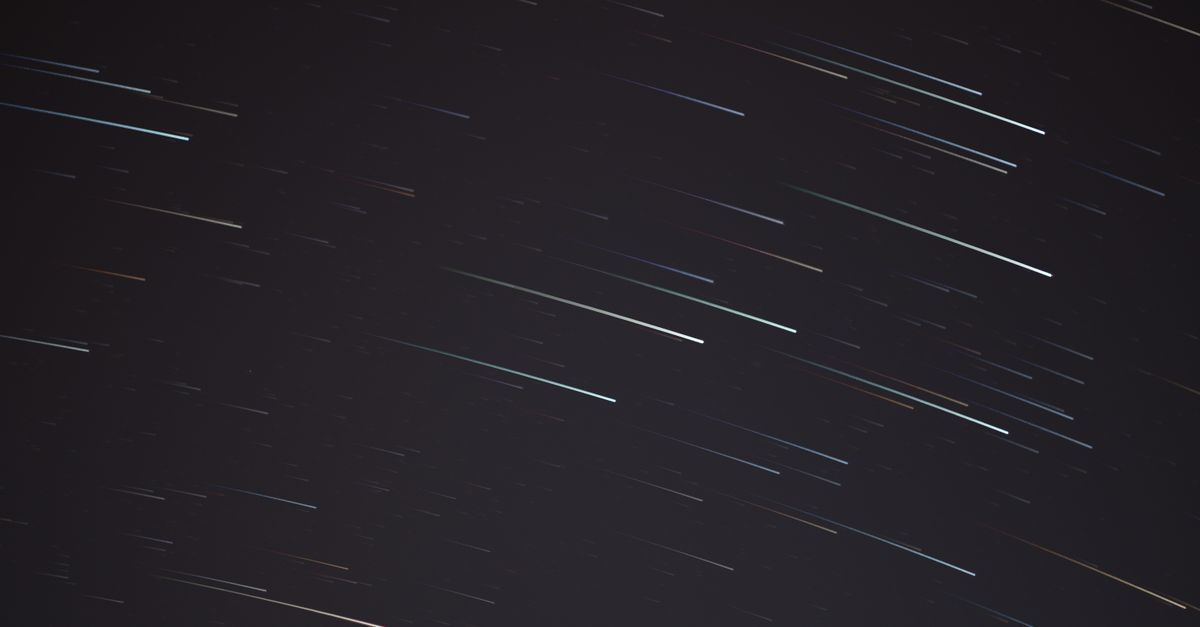
The Perseid meteor shower, one of the most anticipated annual meteor displays, reaches its peak activity this week. According to NASA, viewers can expect to see up to 100 meteors per hour under ideal conditions, streaking across the night sky with their characteristic bright, fast-moving trails.
The meteors are debris from Comet Swift-Tuttle, which Earth passes through every August. As the particles burn up in the atmosphere, they create the brilliant streaks that have captivated humanity for centuries. For the best viewing experience, astronomers recommend finding a dark location away from city lights, preferably after midnight when the sky is darkest.
Solar Eclipse Adds to the Spectacle
Adding to the excitement, a solar eclipse will also occur on the same day. However, the eclipse's visibility varies by region. Reports indicate that the total solar eclipse will bypass Saudi Arabia, while the Kingdom's skies will still be lit up by the Perseids. Elsewhere, partial phases of the eclipse may be visible in parts of the Northern Hemisphere, depending on local weather conditions and geography.
Astronomers caution that viewing a solar eclipse requires proper eye protection. Unlike meteor showers, which can be enjoyed with the naked eye, looking directly at the sun during an eclipse can cause permanent eye damage. Specialized eclipse glasses or solar filters are essential for safe viewing.
How to Watch
For those in India, the Perseids are best observed in the early morning hours before dawn, looking towards the northeast. The shower's radiant point, located in the constellation Perseus, rises higher in the sky as the night progresses, increasing the number of visible meteors.
NASA has released a comprehensive guide for watching the Perseids, which includes tips on finding optimal viewing spots and understanding the science behind the shower. Local astronomy clubs and observatories are also hosting public viewing events to help enthusiasts make the most of this celestial occasion.
Weather permitting, the show is expected to be spectacular. However, sky conditions can be unpredictable, and cloud cover may obstruct views in some areas. Organizers advise checking local forecasts and having a backup plan.
Looking Ahead
As the Perseids continue to grace the skies for a few more nights, astronomers are already looking forward to the next major celestial events later this year. For now, Wednesday's eclipse and meteor shower offer a perfect opportunity to step outside and reconnect with the universe's wonders.