Somnath Temple First-Ever Spire Kumbhabhishek: Significance
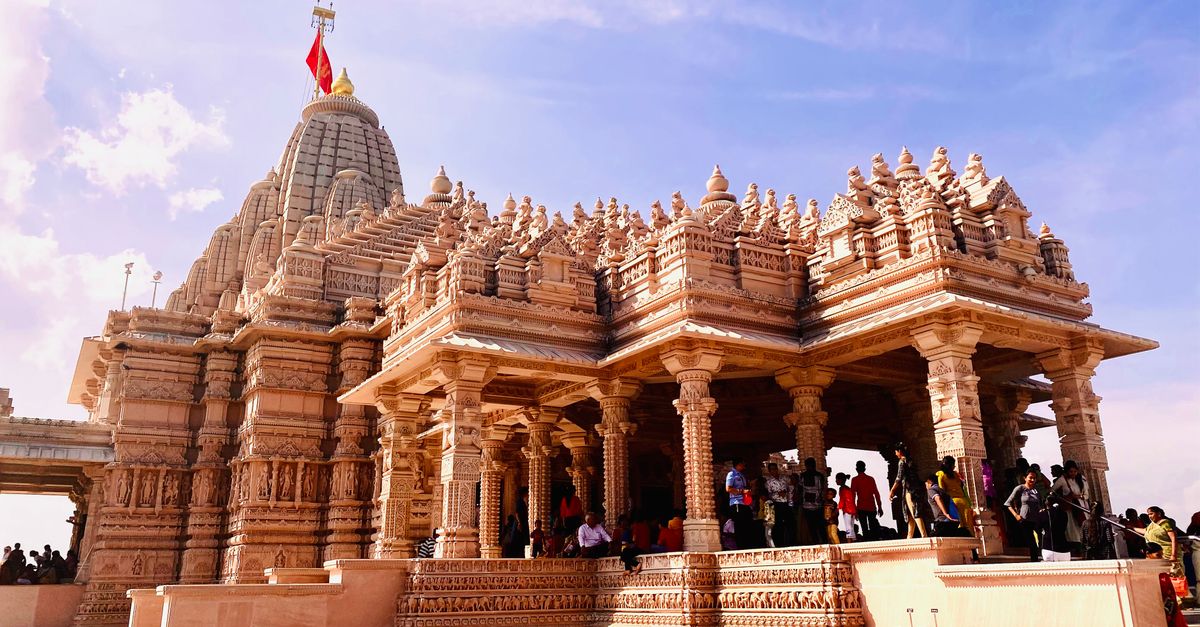
- Somnath Temple will conduct its first-ever spire Kumbhabhishek, a consecration ritual for the shikhara.
- The temple is one of the 12 Jyotirlingas, deeply revered in Hindu tradition.
- Visitors can combine a trip with nearby attractions like the Somnath Beach and Prabhas Patan Museum.
The Somnath Temple in Gujarat is set to witness a historic first — a Kumbhabhishek ritual specifically for its spire, or shikhara. This consecration ceremony, while common for temple idols and structures, marks a rare occasion for the tower itself. Devotees and temple authorities are preparing for the event, which is expected to draw large crowds to the coastal town.
The Significance of Kumbhabhishek
Kumbhabhishek is a purificatory and consecration rite in Hindu temple tradition. The word combines 'kumbha' (a sacred pot) and 'abhishek' (anointing). During the ritual, holy water from the pot is poured over the spire, accompanied by Vedic chants, to renew the temple's spiritual energy.
For Somnath, this is not a routine affair. The shikhara, which rises prominently above the temple, is a central architectural and symbolic element. Its consecration is believed to reinforce the sanctity of the entire structure, marking a moment of renewal for one of the most important pilgrimage sites in India.
History of the Somnath Temple
Somnath is one of the twelve Jyotirlingas, shrines where Lord Shiva is worshipped in the form of a fiery lingam of light. The temple's history is long and turbulent, having been destroyed and rebuilt multiple times over centuries. The current structure, built in the Chalukya style, was completed in 1951 after India's independence, with the then-President Dr. Rajendra Prasad presiding over its installation.
The temple stands on the western coast of Gujarat, facing the Arabian Sea. Its location has made it a landmark for sailors for millennia. The architecture features intricate carvings and a distinctive spire that is visible from miles away, symbolising resilience and enduring faith.
Architectural Highlights
The shikhara, or main spire, rises to about 50 metres. It is adorned with a flag that is hoisted daily, a tradition that continues without interruption. The temple complex also includes a museum that houses artefacts and sculptures from earlier incarnations of the temple.
Visitors can also see the Somnath Museum and the well-maintained gardens within the complex. The sea-facing location offers a serene backdrop, making the site a blend of spiritual devotion and scenic beauty.
Practical Visiting Information
The best time to visit Somnath is between October and March, when the weather is pleasant and conducive for sightseeing. The temple is open daily from early morning to late evening, with specific times for darshan and aartis. The Kumbhabhishek event may bring additional crowds, so advance planning is advisable.
Somnath is well-connected by road and rail. The nearest major railway station is Veraval, about 7 km away, and the nearest airport is Diu, roughly 90 km from the temple. Regular buses and taxis operate from major cities like Ahmedabad and Rajkot.
Nearby Attractions
Combine your visit with a stop at Somnath Beach, located just a short walk from the temple, known for its clean sands and evening light show at the temple complex. The Prabhas Patan Museum, within the temple premises, displays sculptures from the 9th to 11th centuries, offering deeper insight into the region's heritage.
The Bhalka Tirth, believed to be the site where Lord Krishna was mistakenly shot by a hunter, is another sacred spot about 4 km away. These sites together make Somnath a rich destination for a multi-day spiritual tour.
Plan your trip for the winter months and book accommodation early if you intend to witness the Kumbhabhishek. Nearby Veraval's fishing harbour and the historic Junagadh city, about 85 km away, are worthy additions to your itinerary.